
Introduction
The history of photography is well documented and presented throughout the internet. You can go to Wikipedia or Britannica and get a great write up of it. So I will keep it simple and as an intro to classical and contemporary photography. Photography, or the recording of light was not a one shot discovery. It dates back to early observation of dynamic light projection in the 5th century BCE in China by a philosopher. With the intention of permanently recording light, later inventors from the West worked together, and in some cases iterated on one another inventions, to create what we today associate with photography in general.
Classical Photography
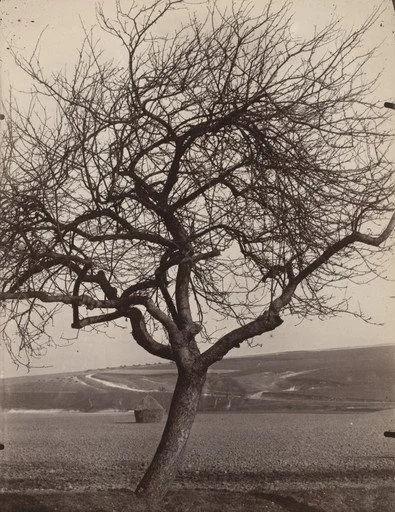
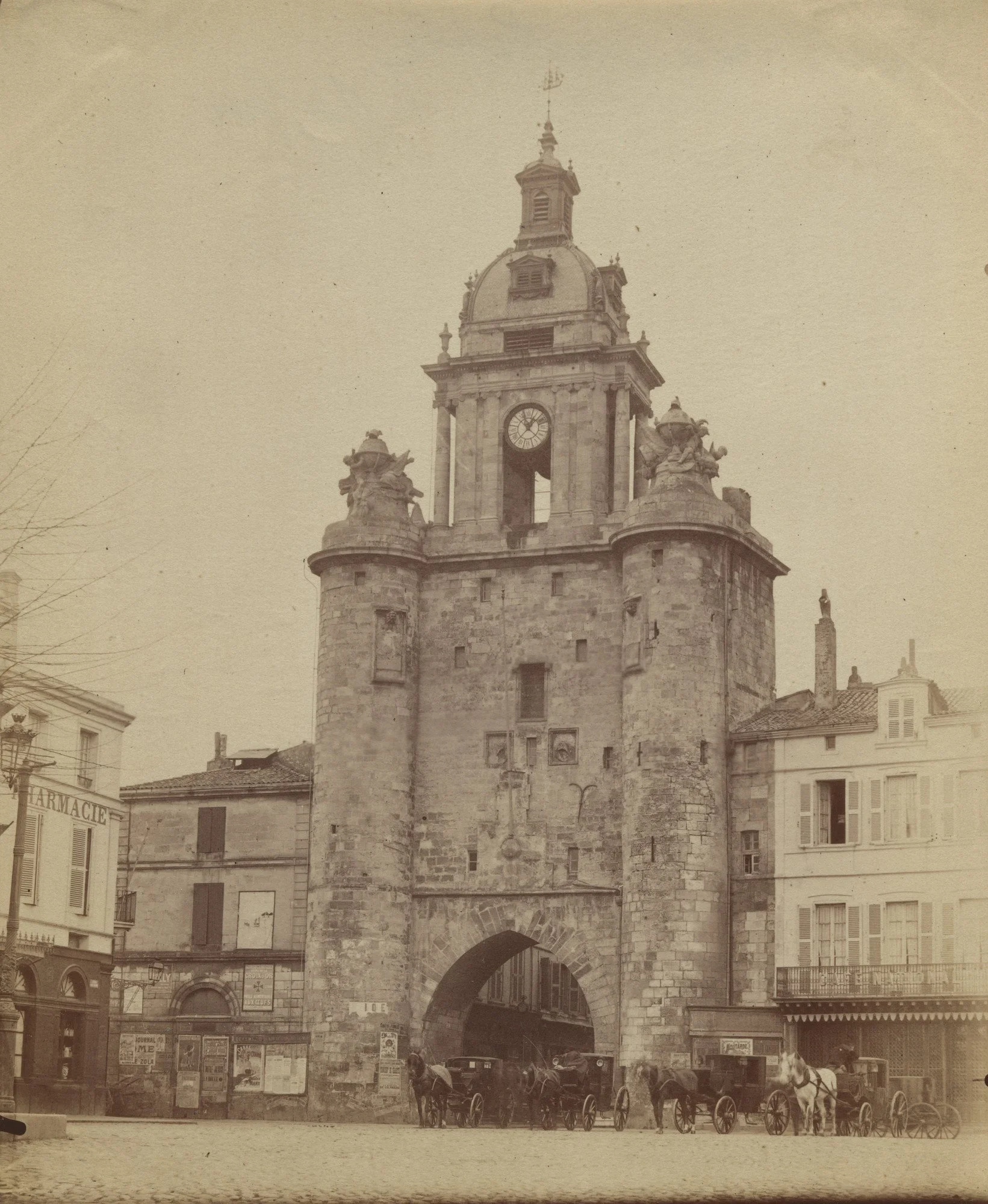
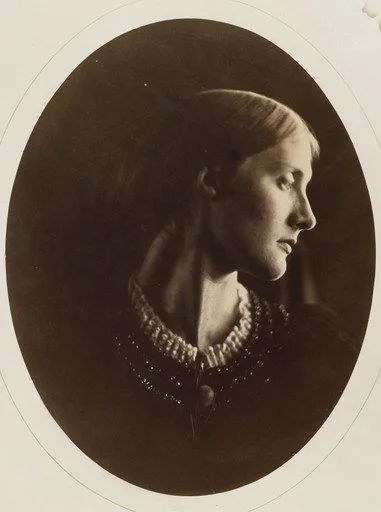
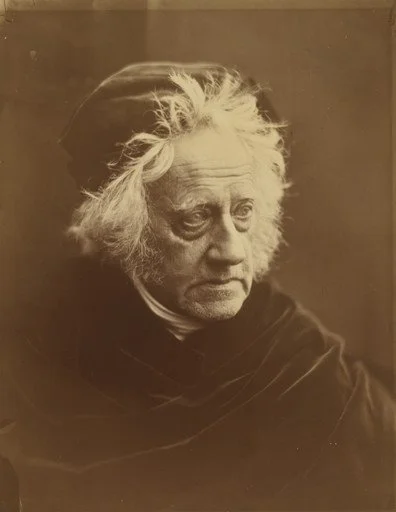
Between 1840 and 1900, photography took a huge leap going from the wet process (slow exposure (low ISO), wet, messy, high urgency to develop, and tedious to manage) to the dry process (quicker exposure (higher ISO), can be manufactured in advance, stored, exposed and developed at leisure in comparison to wet process). Allowing more people access to the craft. This led to artists, experimenters and the general public to start picking up photography as a tool to RECORD reality. This led to a rise in portraiture of prominent figures such as emperors and leaders, landscapes, decisive moments and documentary. Photographs from this era were predominantly monochromatic, but not necessarily black and white. Any color photographs from this era were most likely hand painted after the fact.
Below are works from Mathew B. Brady, Eugène Atget, Julia Margaret Cameron and Kusakabe Kimbei in order of 3s.
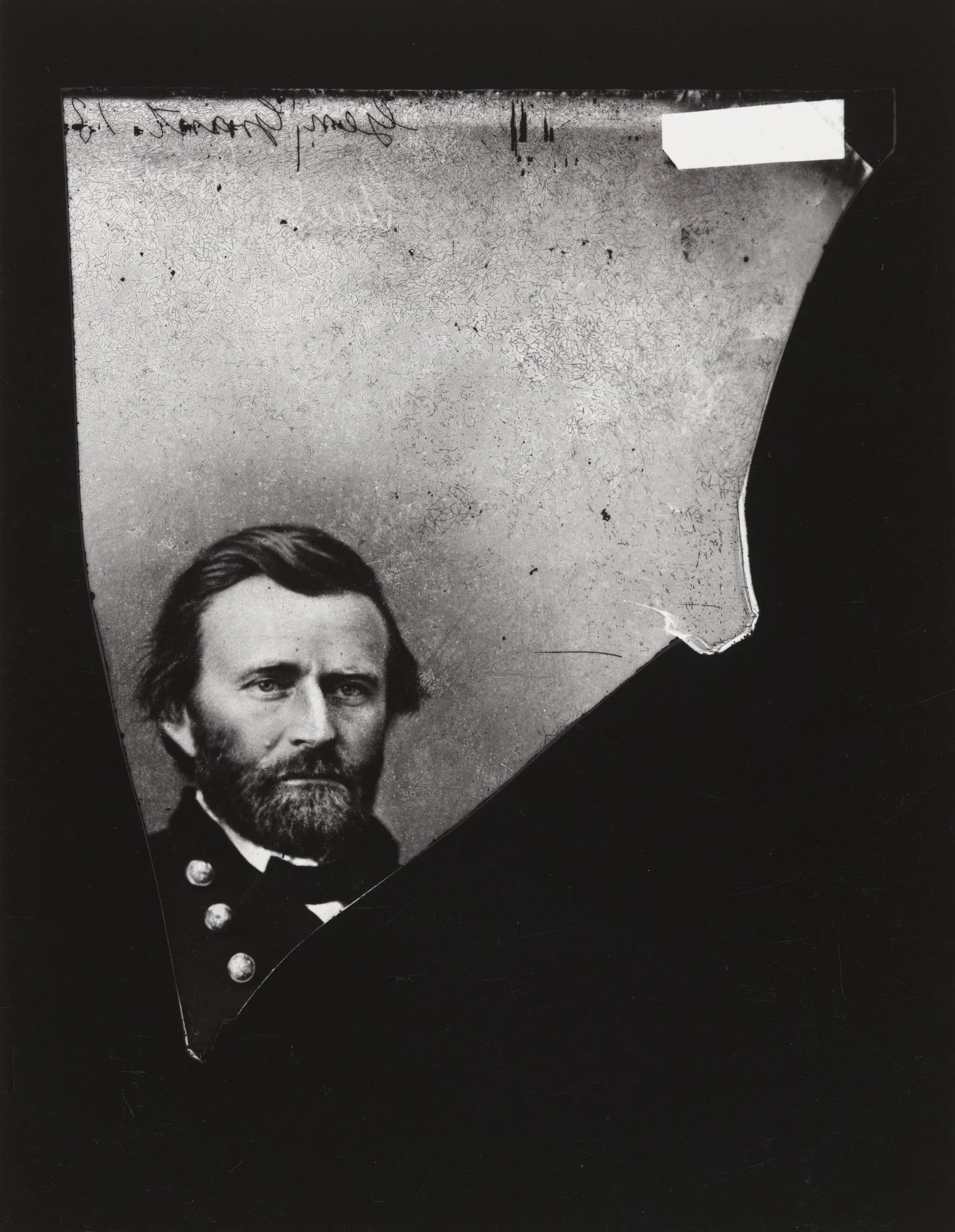
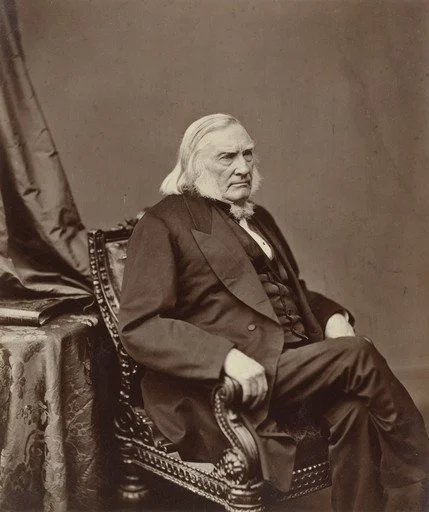
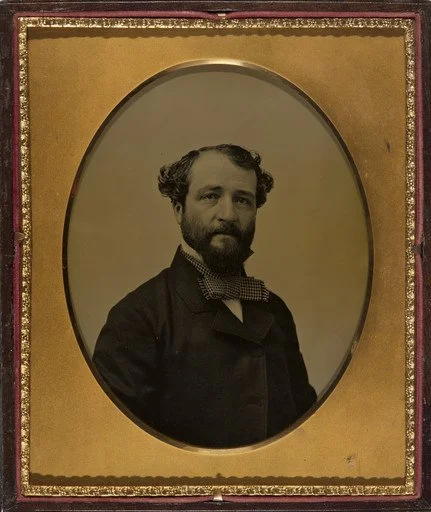
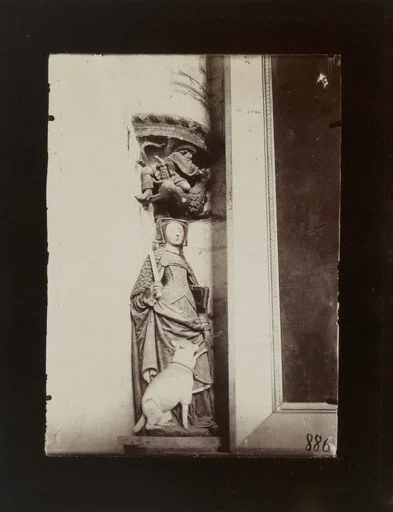
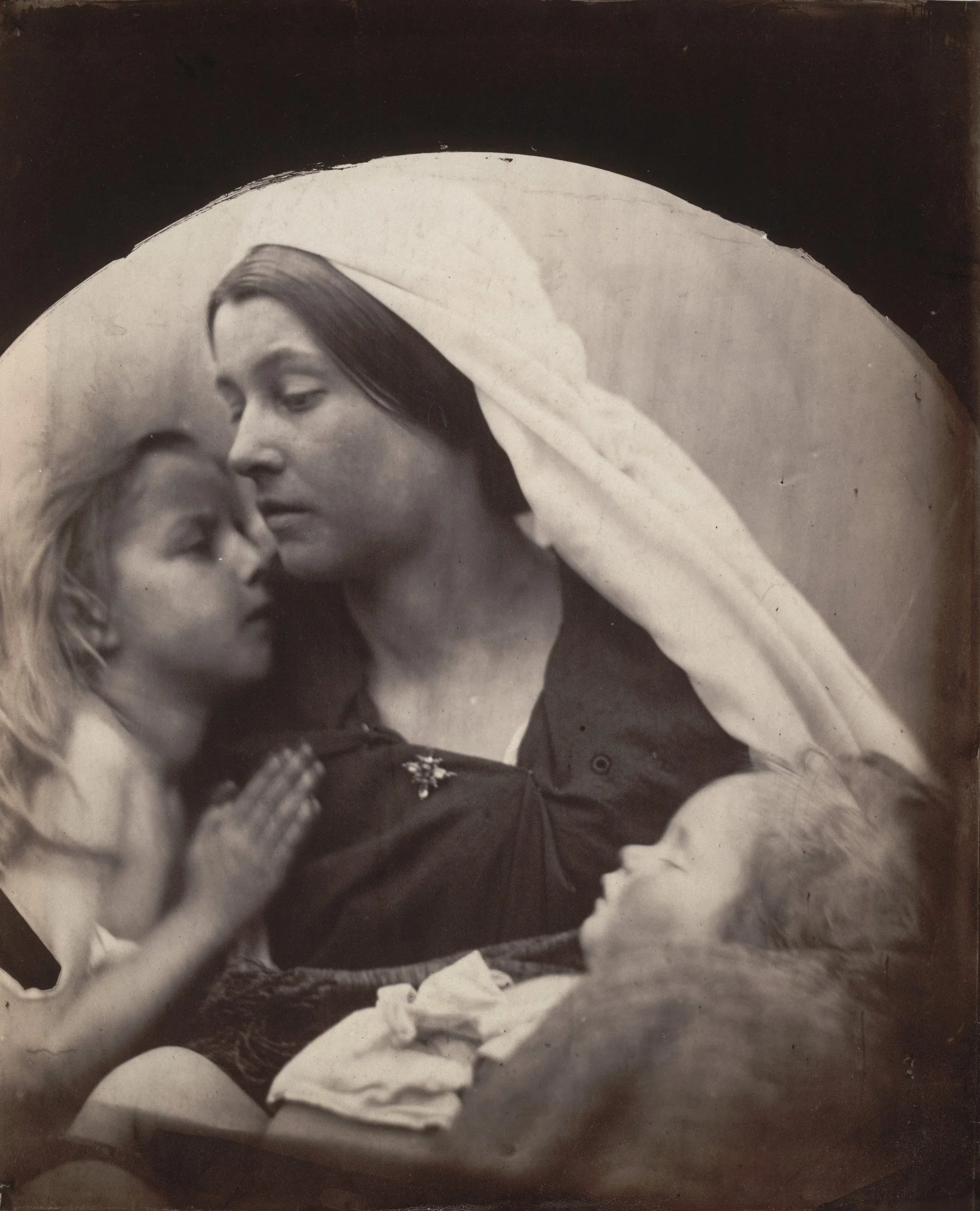
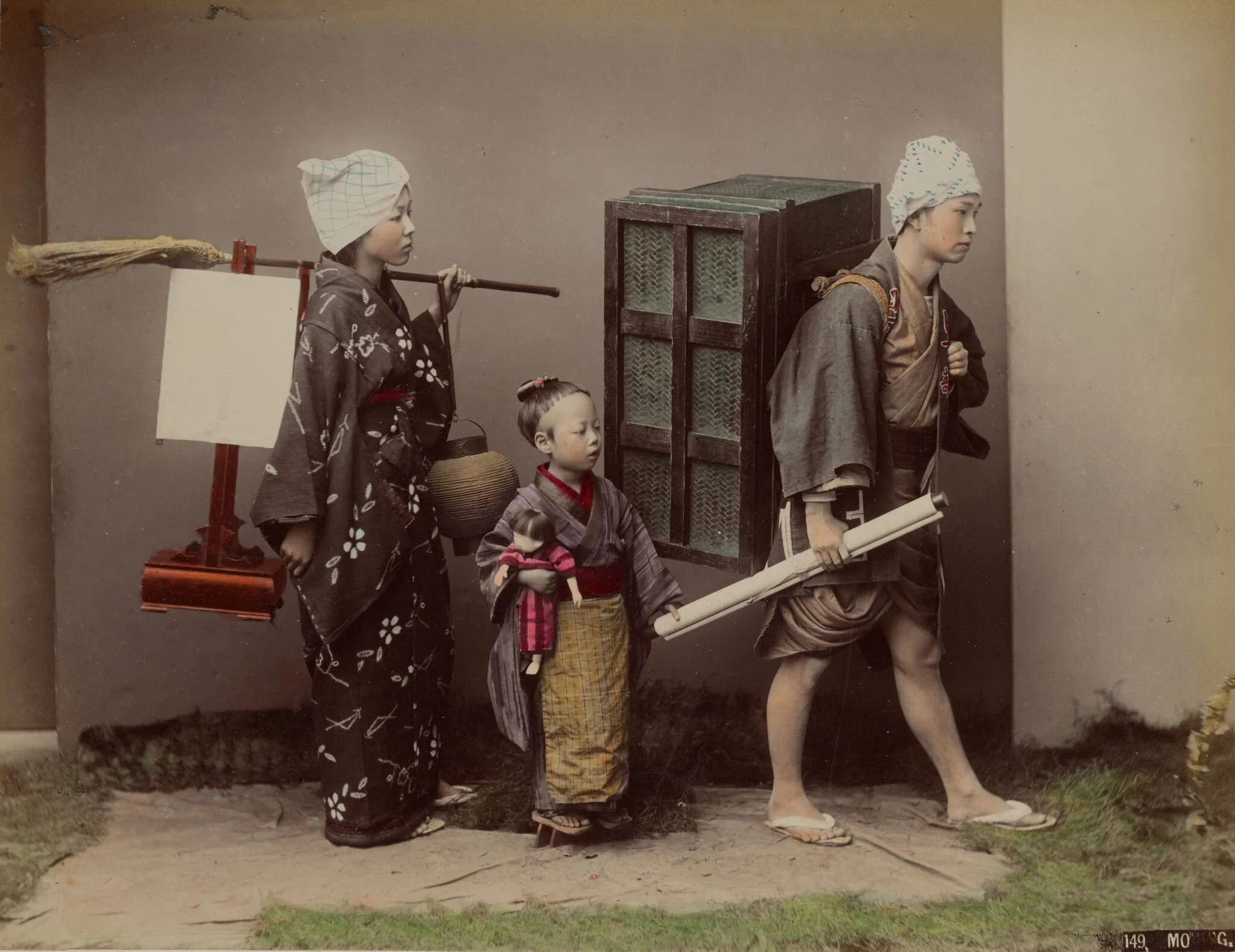
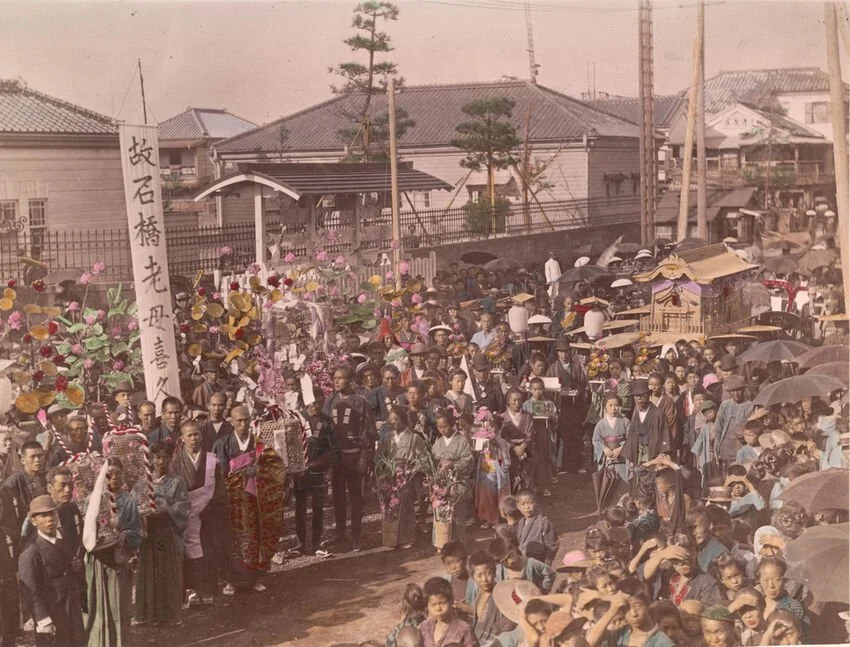
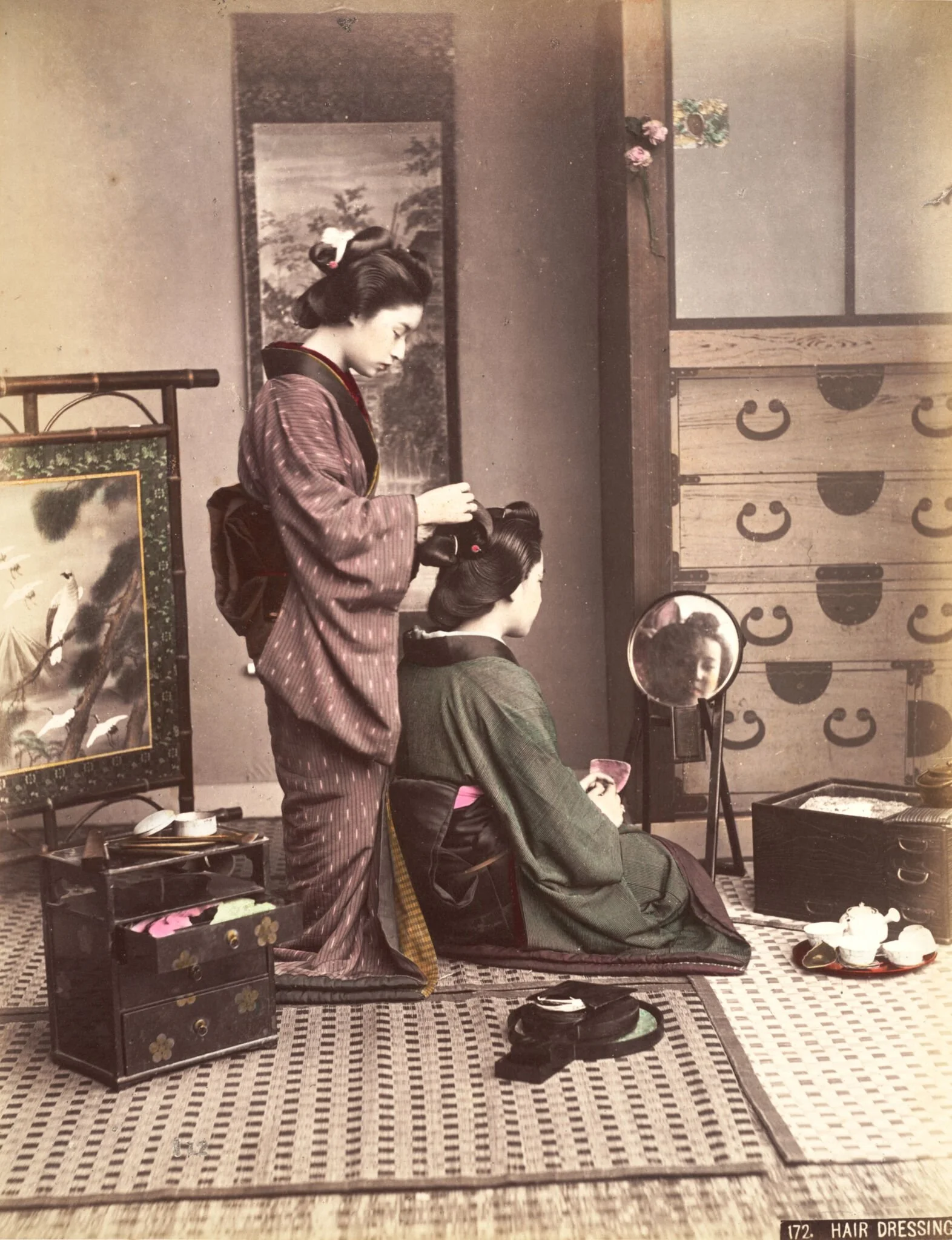
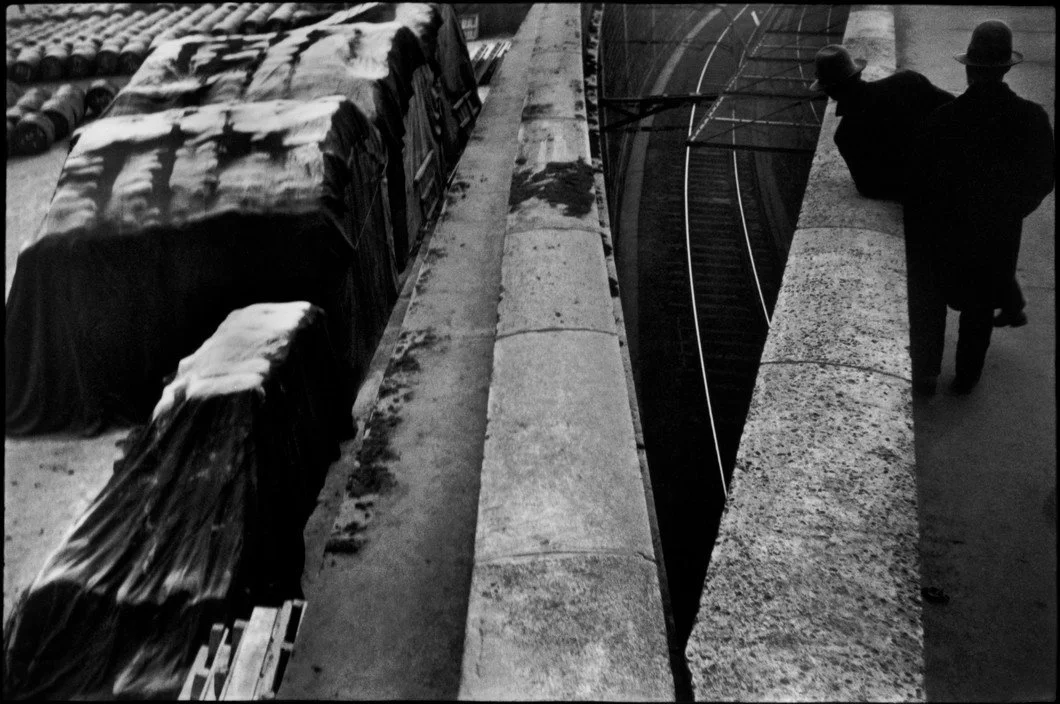
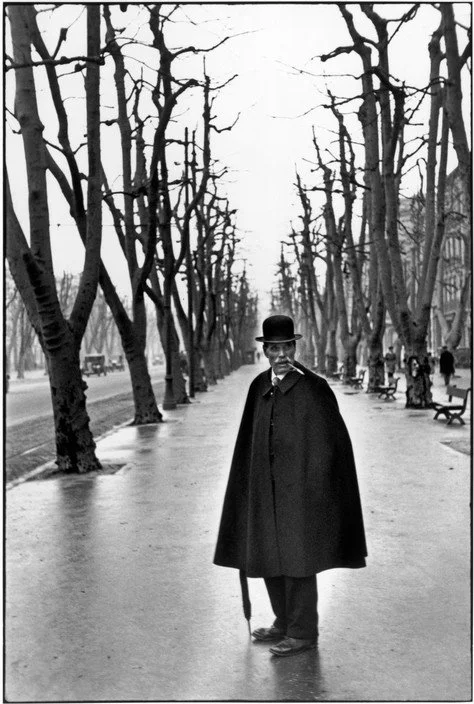
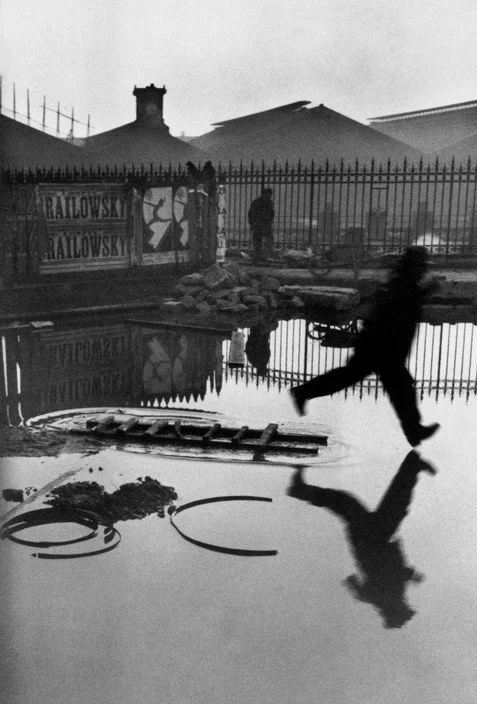
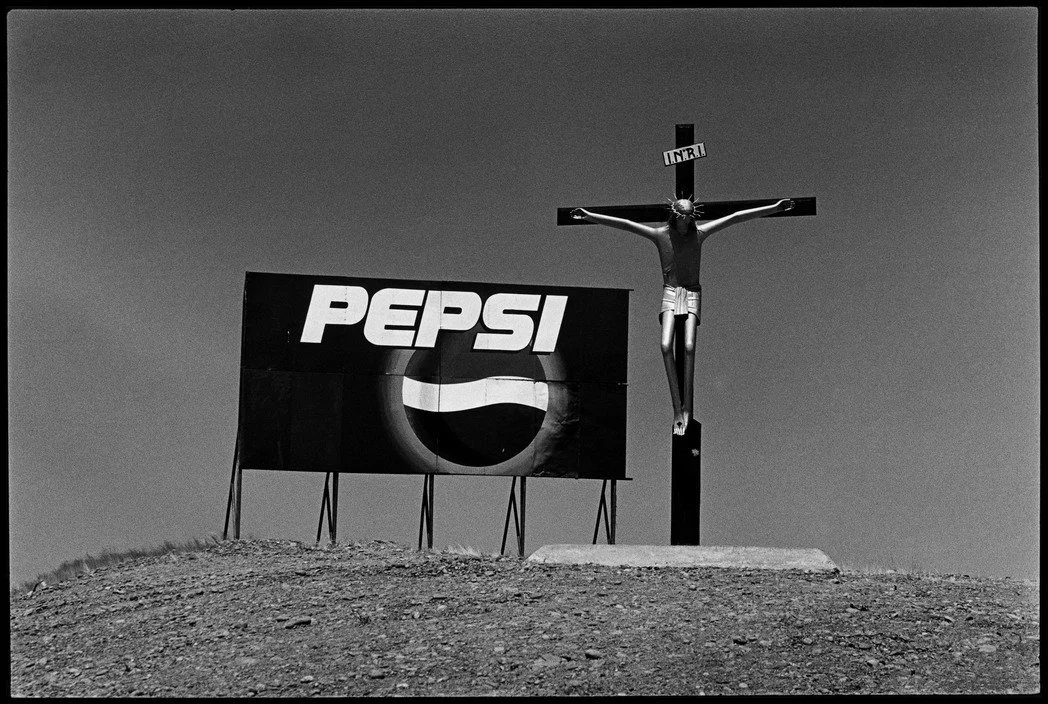
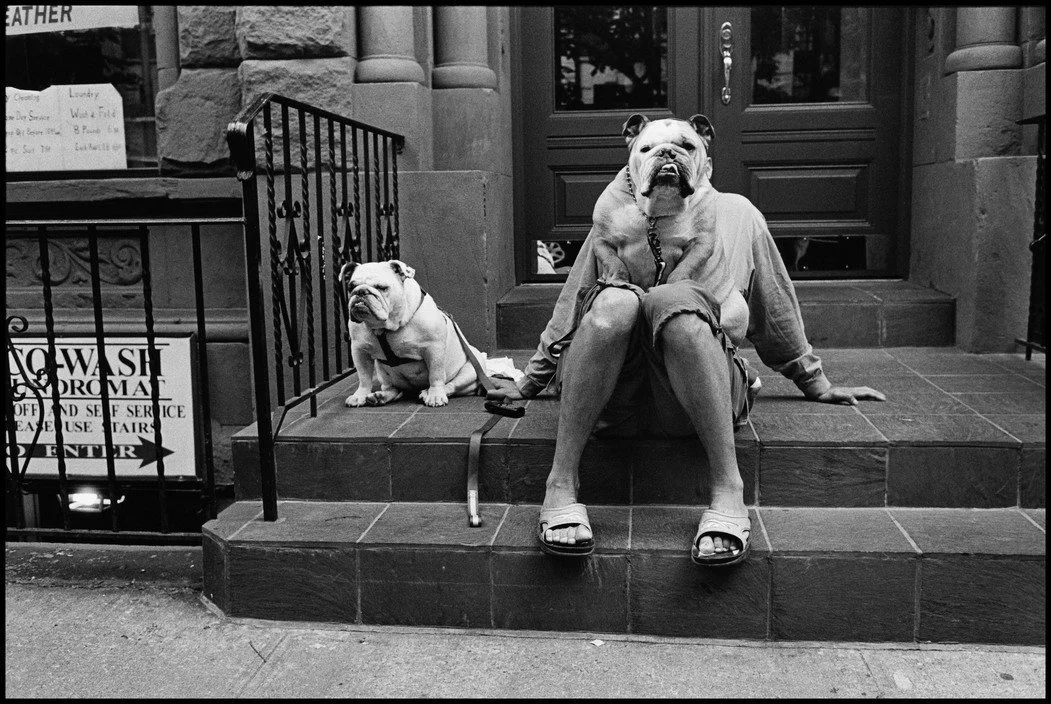
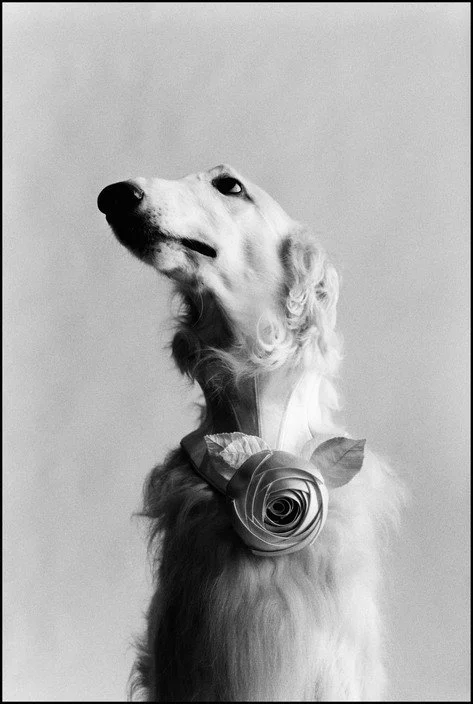
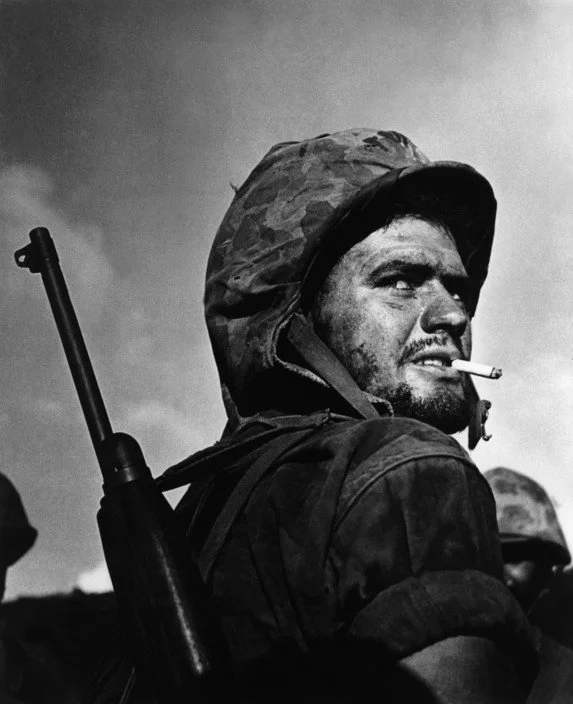
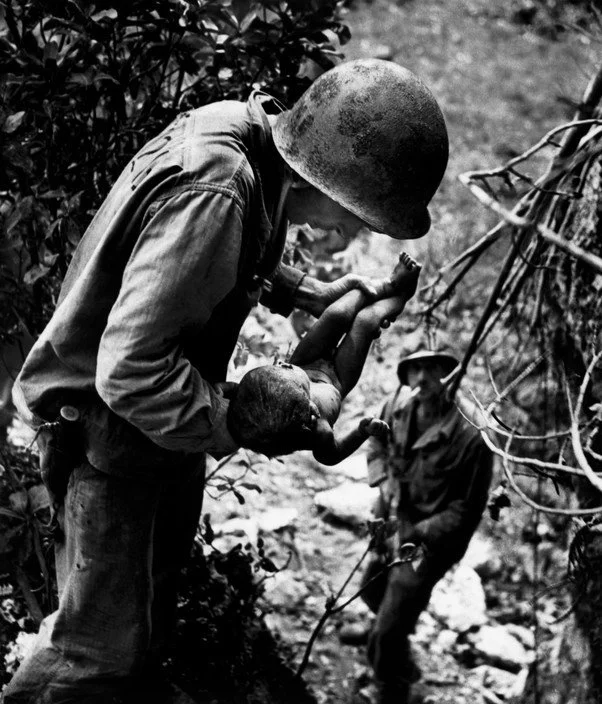
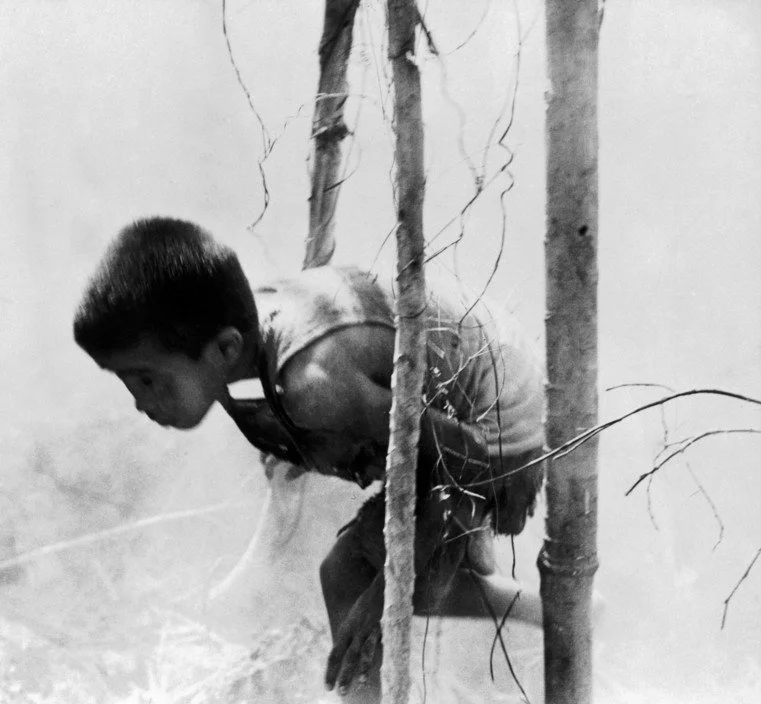
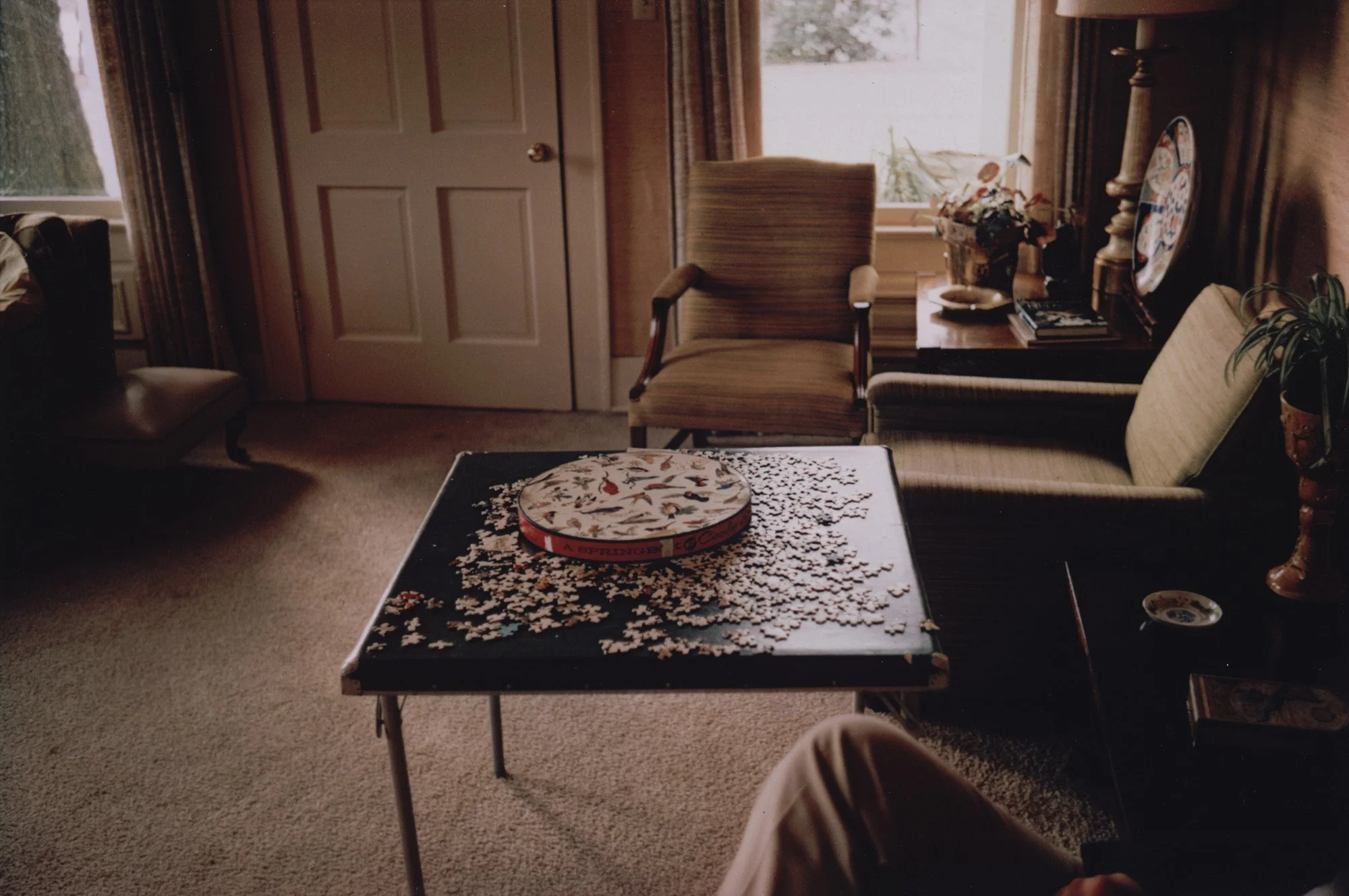
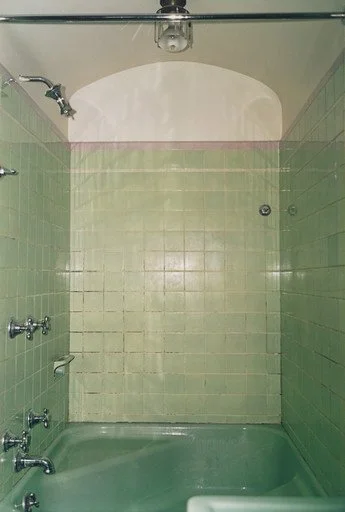
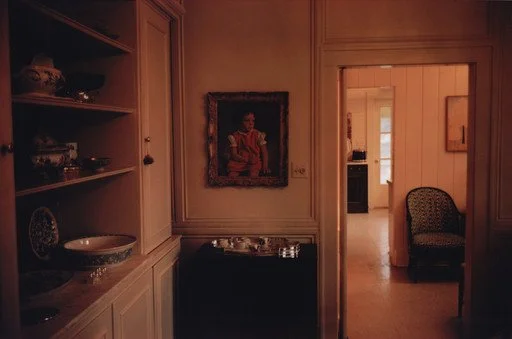
A few decades beyond 1900, photography evolved into what we are familiar with today in regards to film photography. This leads to an even better and smaller format, quicker exposure, more film choices (black and white as well as color) and less cumbersome experience which work together to give rise to classic modern masters we know today. But photography was still largely a medium to RECORD the what rather than the WHY.
Below are works from Henri Cartier-Bresson, Elliott Erwitt, W. Eugene Smith and William Eggleston in order of 3s.
Contemporary Photography
Alongside the adoption of photography to RECORD and show the WHAT in the early days, contemporary photography was being made. Contemporary photography refers to the WHY rather than the WHAT aspect of a photograph or a set of photographs. Neither cares when the photograph itself was made. The photographer asks themselves what to make to communicate their desire, disdain or disillusionment. Resulting in meaningful work for the photographer but could be difficult to grasp by the viewers without a statement or prior knowledge. Such is the other side of photographic adoption as an artistic medium.
Contemporary photography comes in multiple forms, much more varied than classical photography given that it is an ARTISTIC representation of an idea. Photographers could stick to pure photography to set up, light and capture their ideas or mix photography with other mediums such as digital manipulation in the current age. In this regard, my take is that restriction on what can be considered contemporary photography is pretty low. If the basis of a work comes from a photograph, then it could be considered contemporary photography. But there 3 essential things I personally believe the work should contain
The intended message: is the photographer or the artist making a statement in response to a social construct or is it a self-expression piece?
The base apparatus: the medium or mediums of expression, but a camera is a must
The conceptual depth or the exploration of the context: is their substance under the surface and has the artist shown enough understanding of the context in which the art work represents itself
Given what we have discussed above, contemporary art and contemporary photography engages the mind rather than the eye alone. Therefore, future studies into contemporary art will help shed light onto creating a successful and understanding contemporary photography.
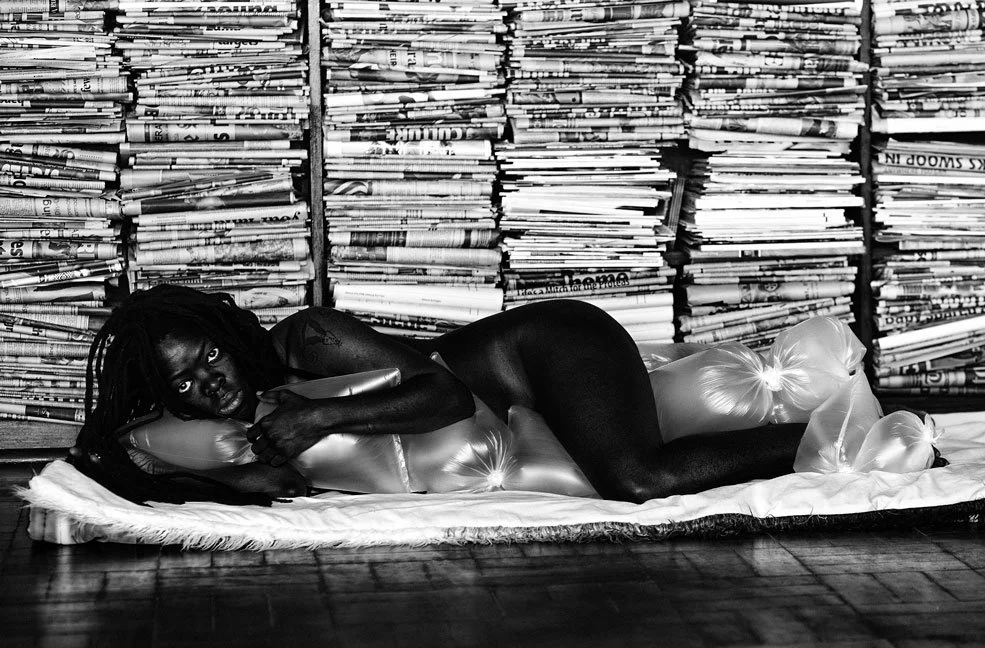
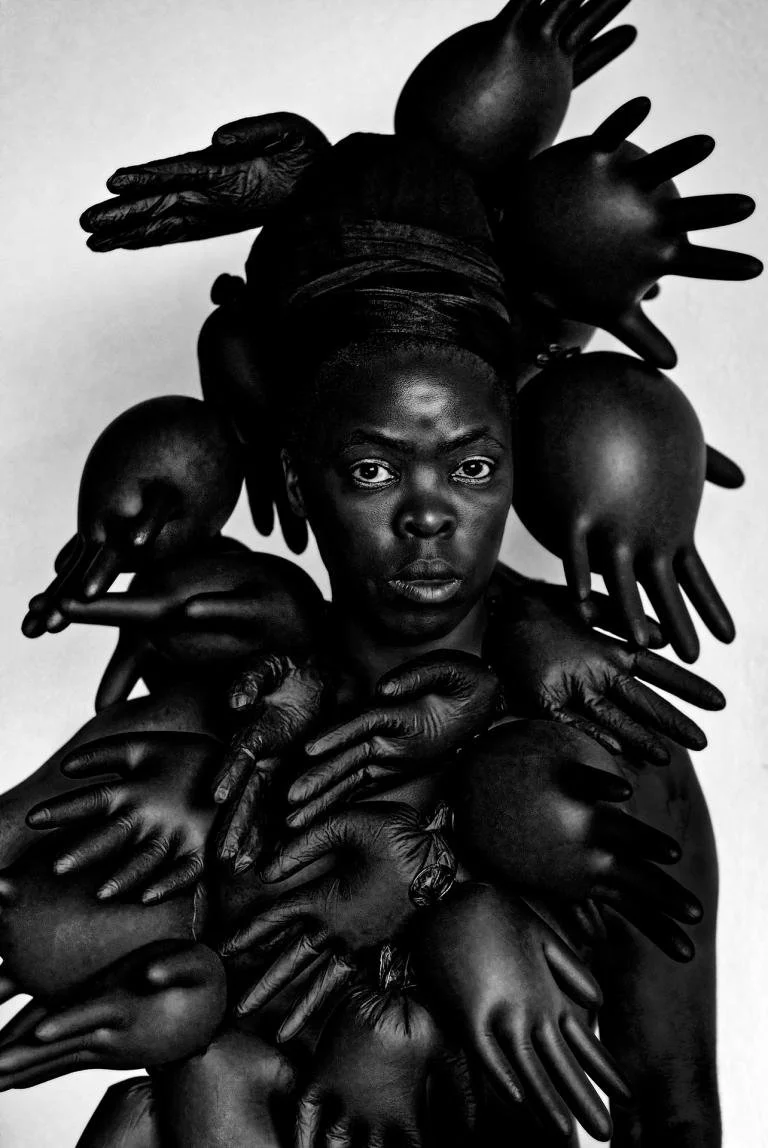
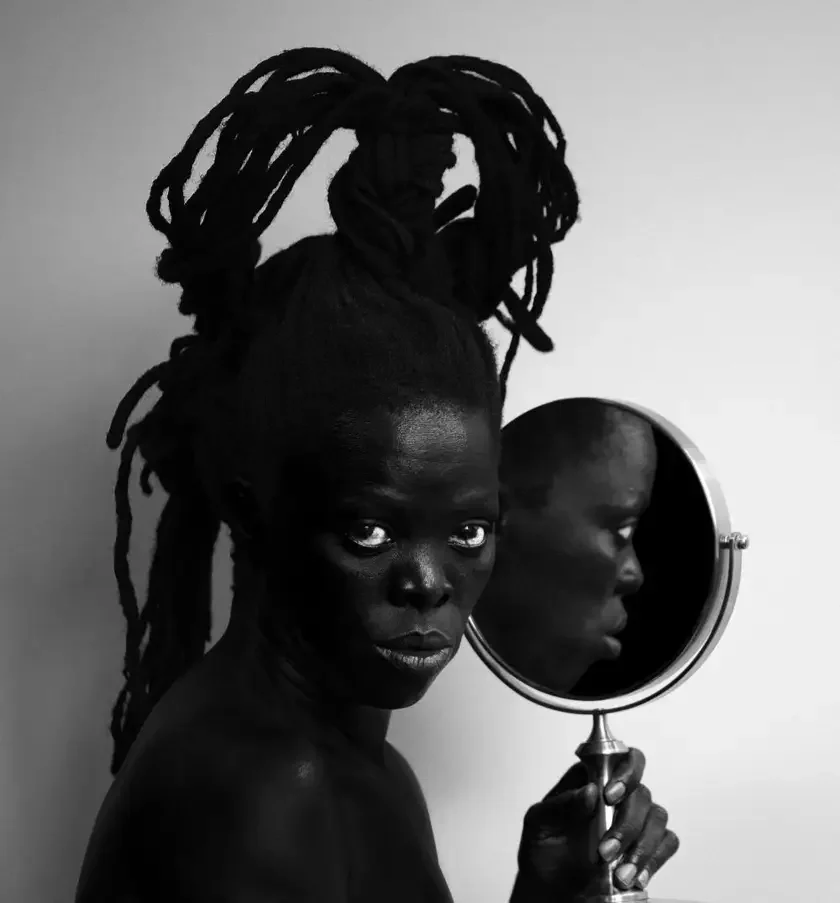
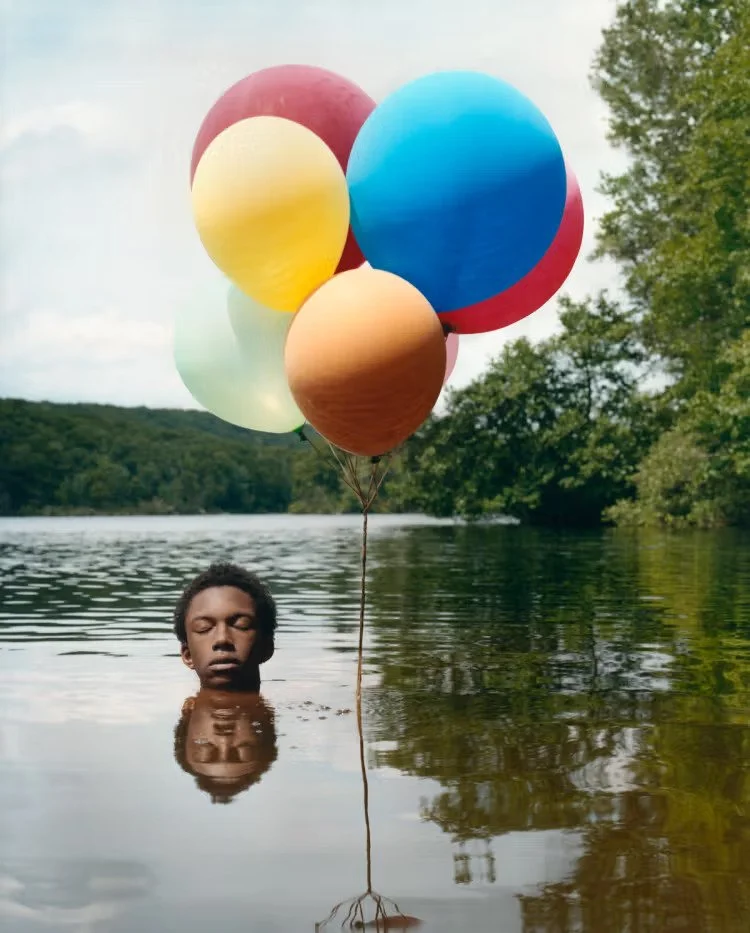
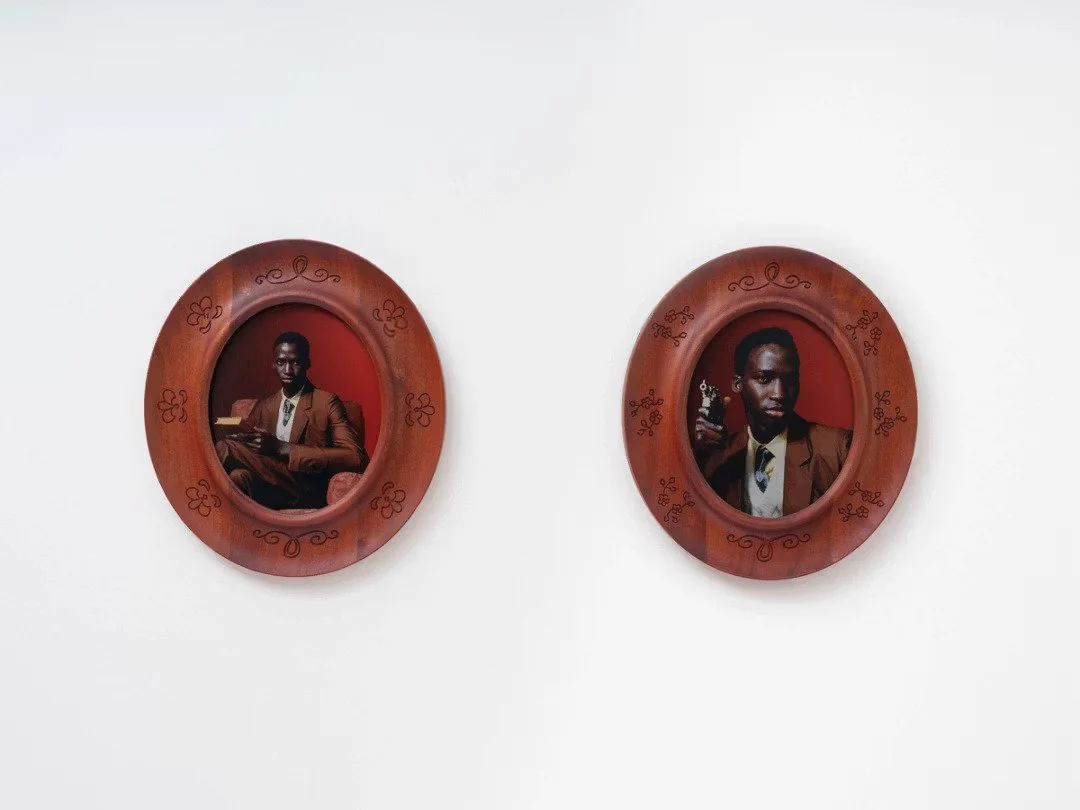
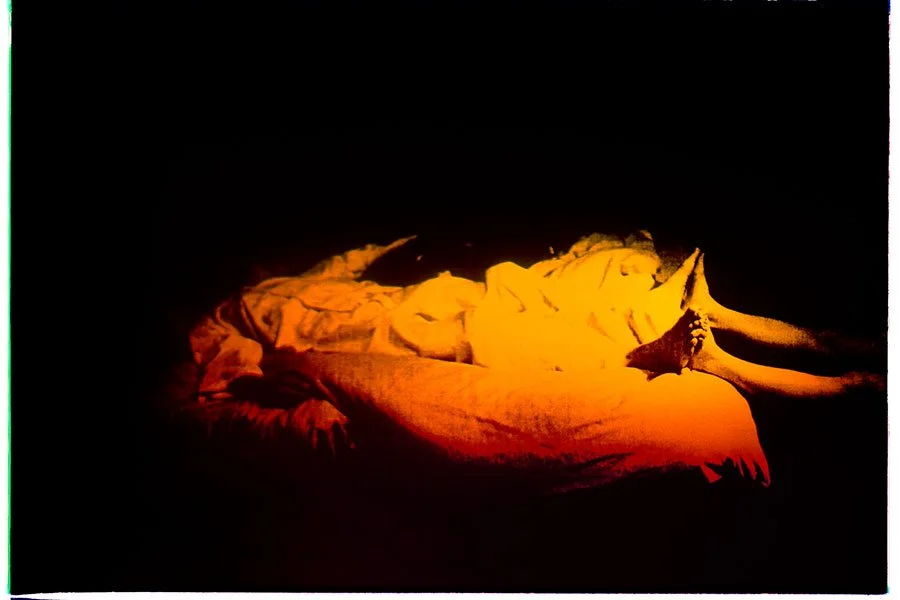
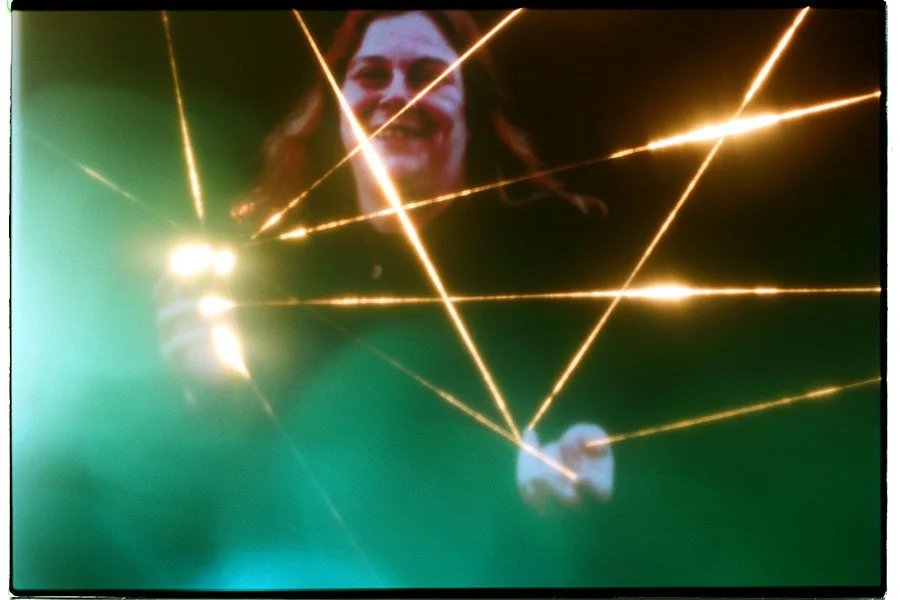
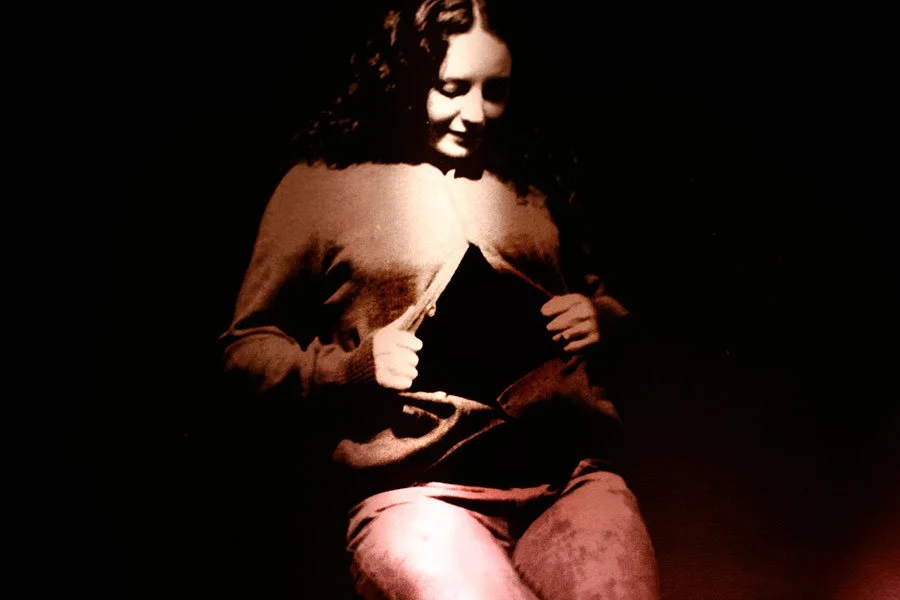
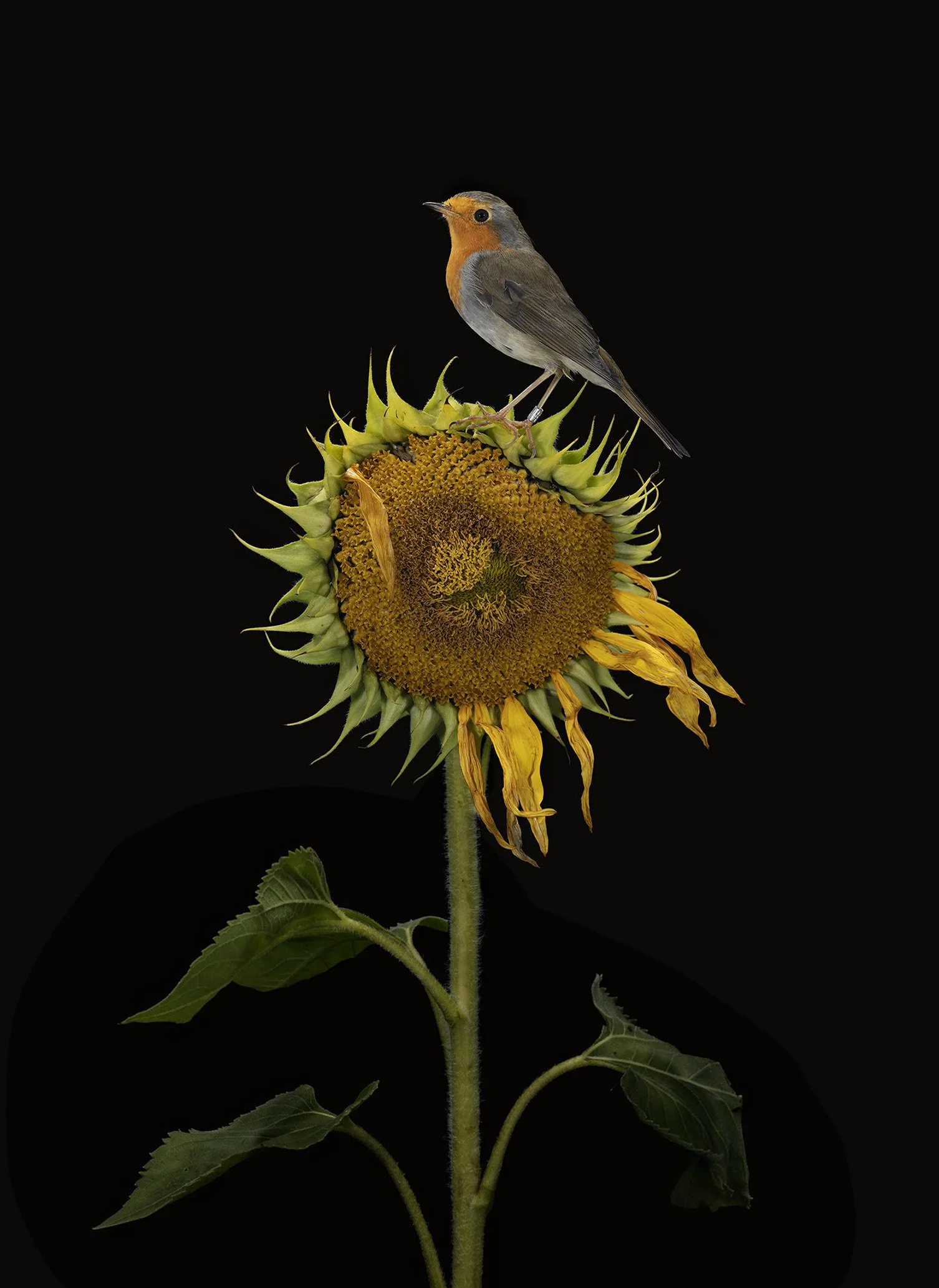
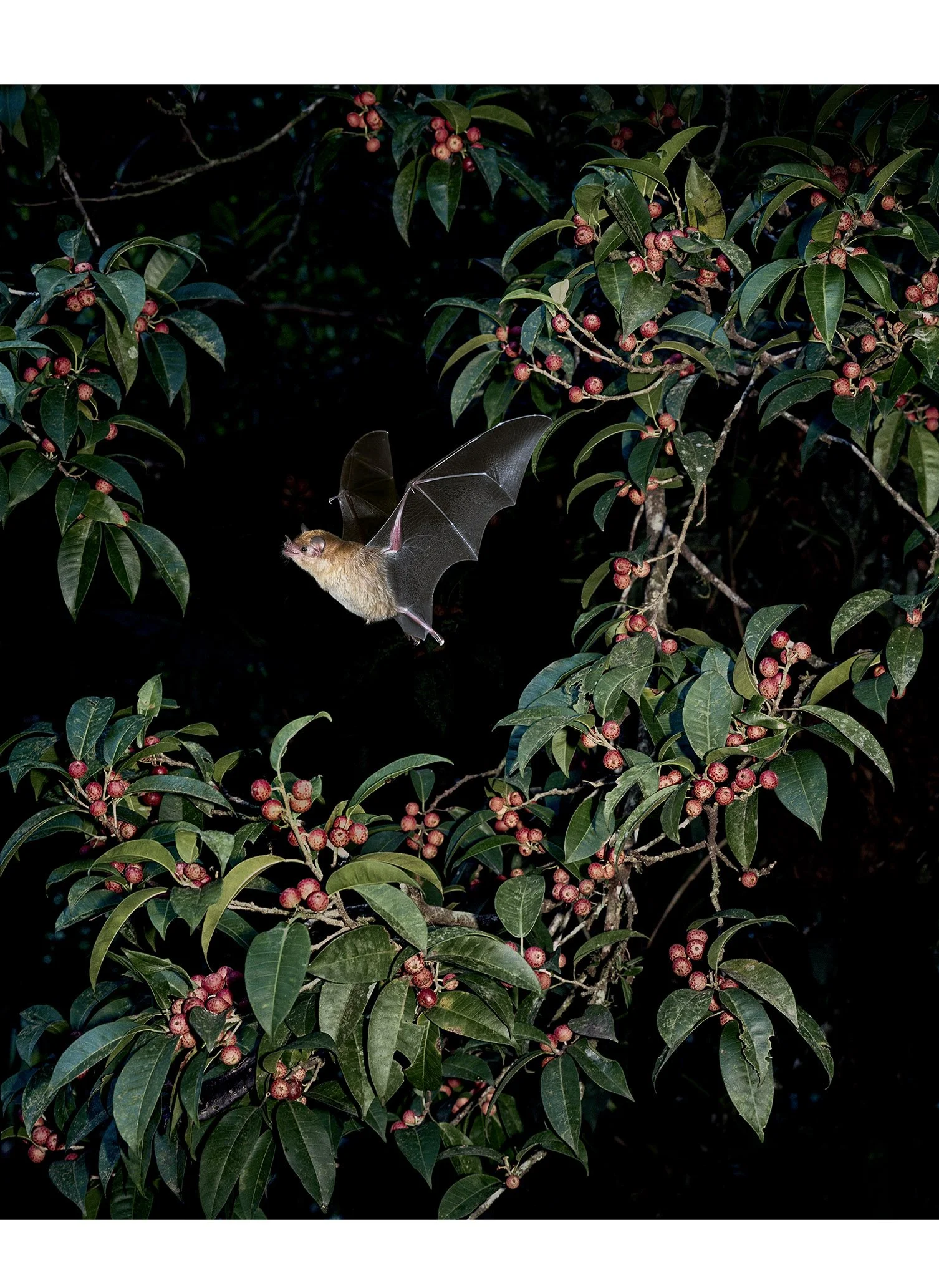
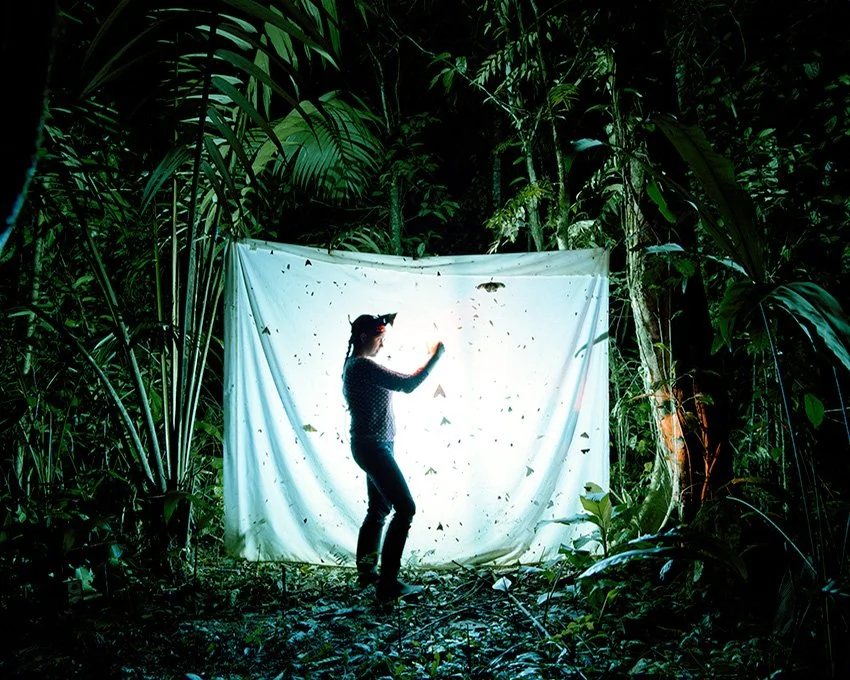
Below are works from contemporary photographers whos work communicate certain intended message. They are Zanele Muholi, Taryn Simon, Lieko Shiga and Sanna Kannisto in order of 3s. I highly recommend to read up more on these photographers to understand their approach and message. Links in the reference section.

Conclusion
Regardless of when or how the photograph was made, the thing that defines whether a piece of work is classical or contemporary is its intention. A purely documentary photograph made today could be considered classical as much as a conceptual work from the early 1900s could be considered contemporary. It's the intention of the creator that matters.
References
https://sova.si.edu/record/fsa.a2003.13?i=125173&n=12&q=language&s=125172&t=D
https://searchcollection.asianart.org/objects/1657/views-and-costumes-of-japan-by-tamamura
https://www.academia.edu/18160862/Lectures_sur_la_photographie_contemporaine
https://study.com/academy/lesson/art-criticism-definition-function-examples.html
https://www.academia.edu/12155516/From_Conceptual_art_to_contemporary_practice_theory_as_art
https://www.magnumphotos.com/photographer/henri-cartier-bresson/
https://lockegallery.fas.harvard.edu/galleries/works-zanele-muholi
https://www.tate.org.uk/whats-on/tate-modern/zanele-muholi/zanele-muholi