
Hidden Light: Issei Suda
TL;DR
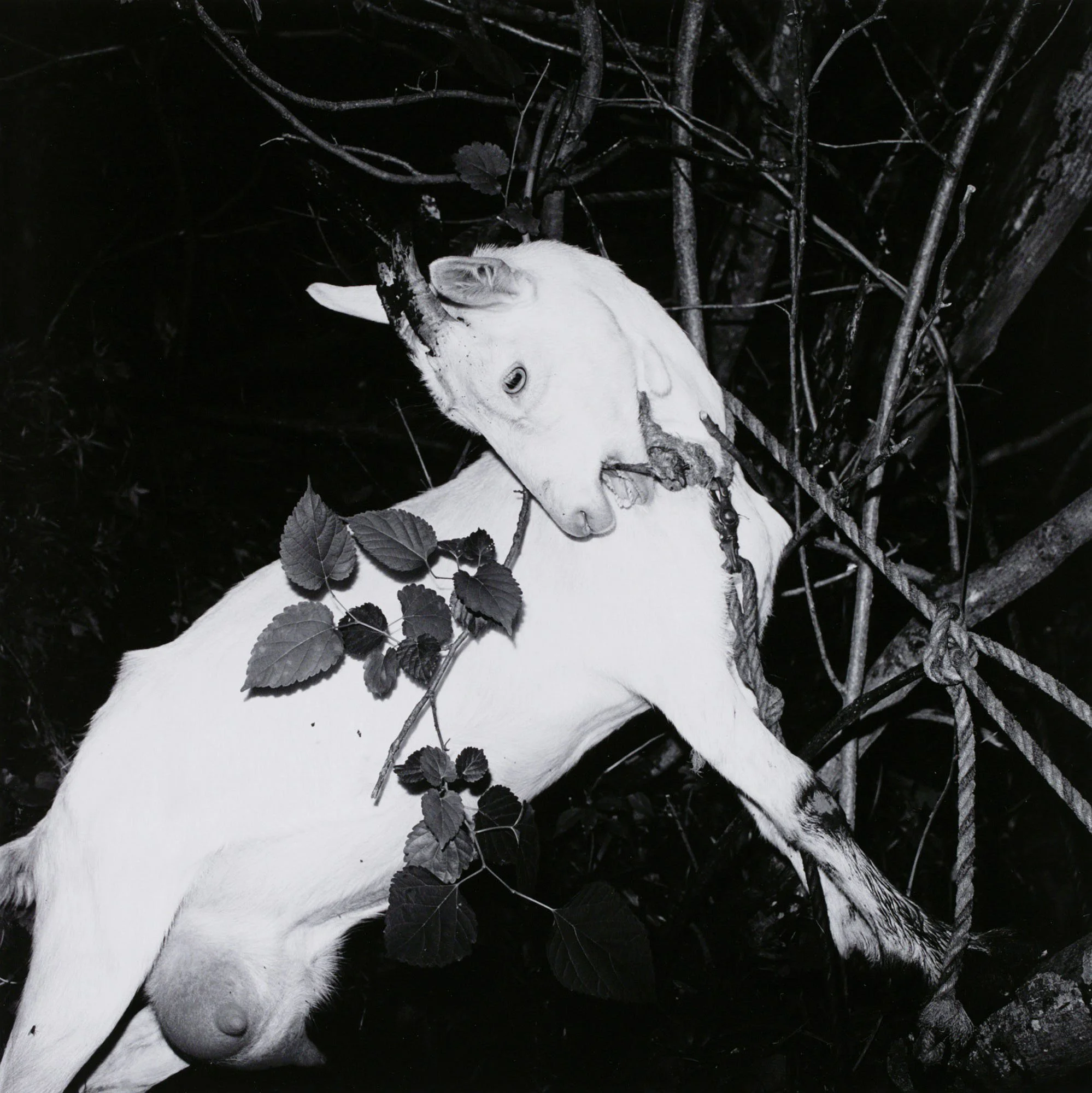
A self-proclaimed objective observer of a scene who does not get involved in it, Issei Suda most recognizable photo is that of a goat tangled up in vines. He set himself apart from other post-war Japanese photographers like Moriyama by staying independent lending to his obscurity to the West, and taking a more traditional approach to his photography, relying on purposeful composition and frequently employing flash in broad daylight which highlights and separate his subject from the background.
Biography
Issei Suda was born in Tokyo 1940 and graduated from Tokyo College of Photography in 1962. He started his career in photography shooting for the Tejo Sadiki theater group under the renowned Japanese provocative artist Shuji Terayama. He shot for them between 1967 and 1971. This was his formative year as a photographer. He absorbed many of the themes explored by Teno Sajiki, particularly the belief that the quintessential Japanese identity is rooted in the “rural landscape and its communities” and an interest in native Japanese cultures and tradition. Although the two share similar thematic concerns, it is to be noted that their respective works itself remains distinct in style and visual expression.
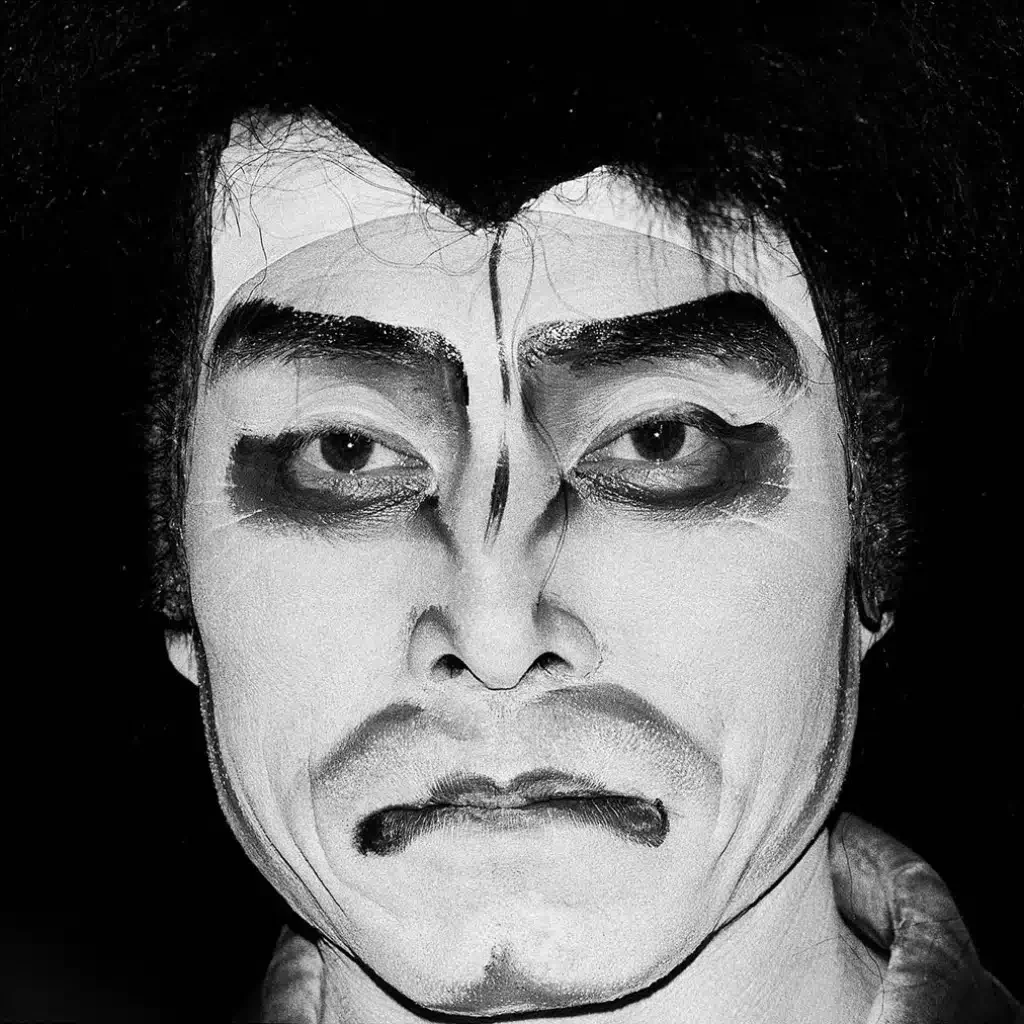
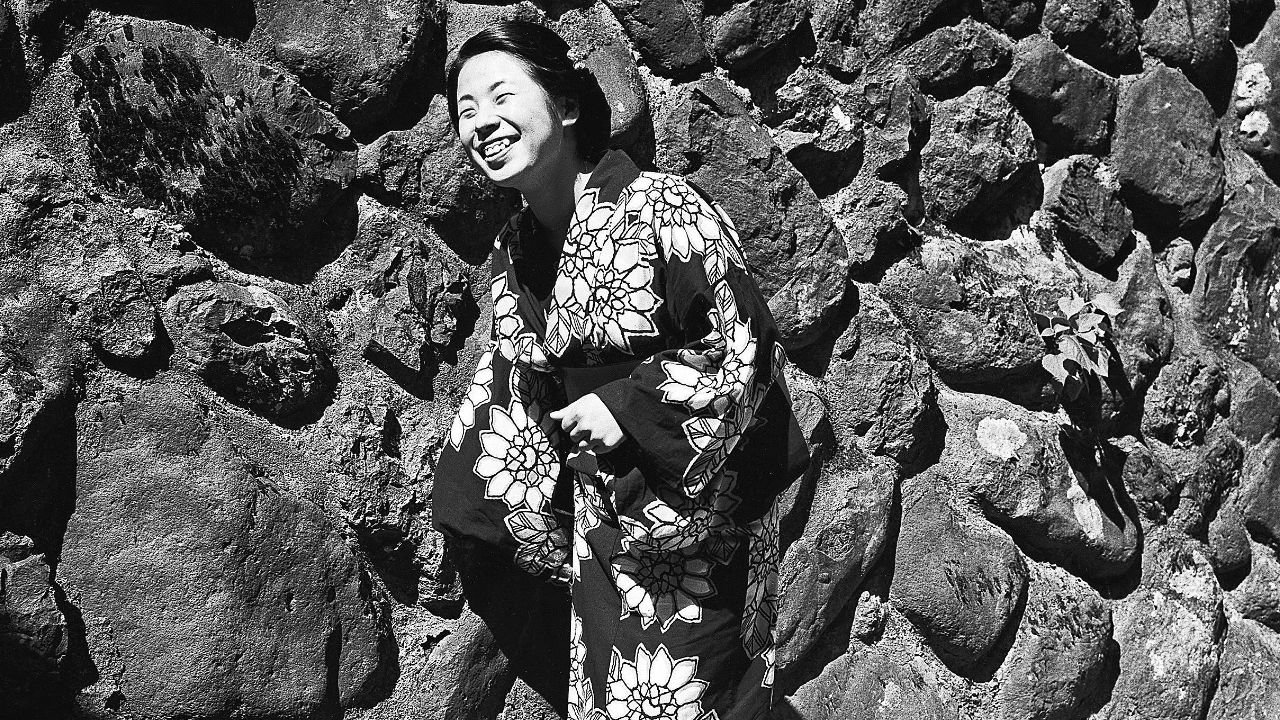
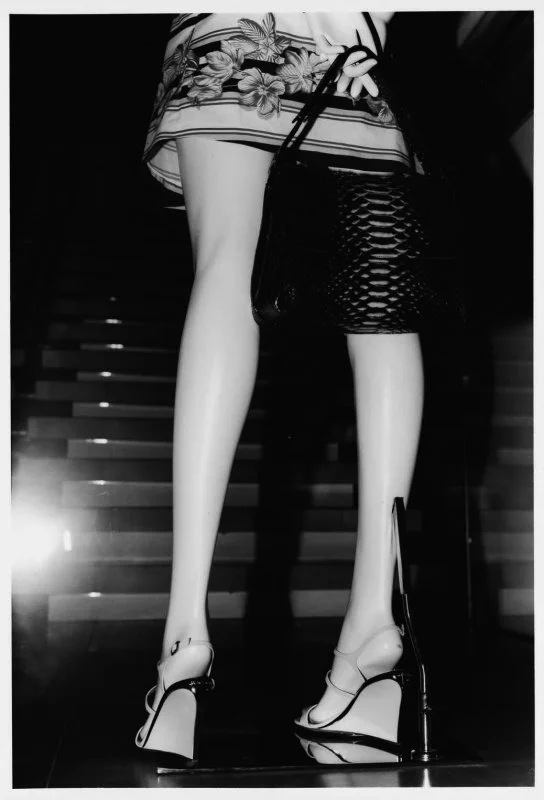
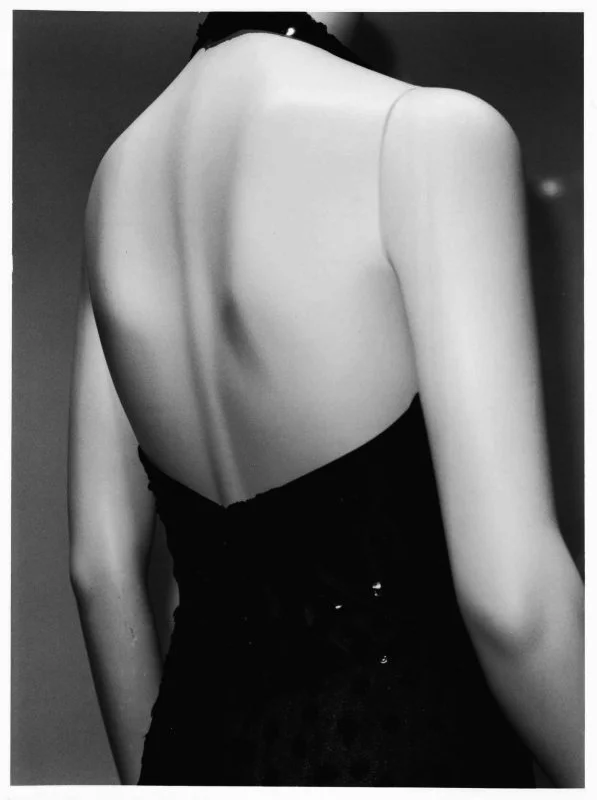
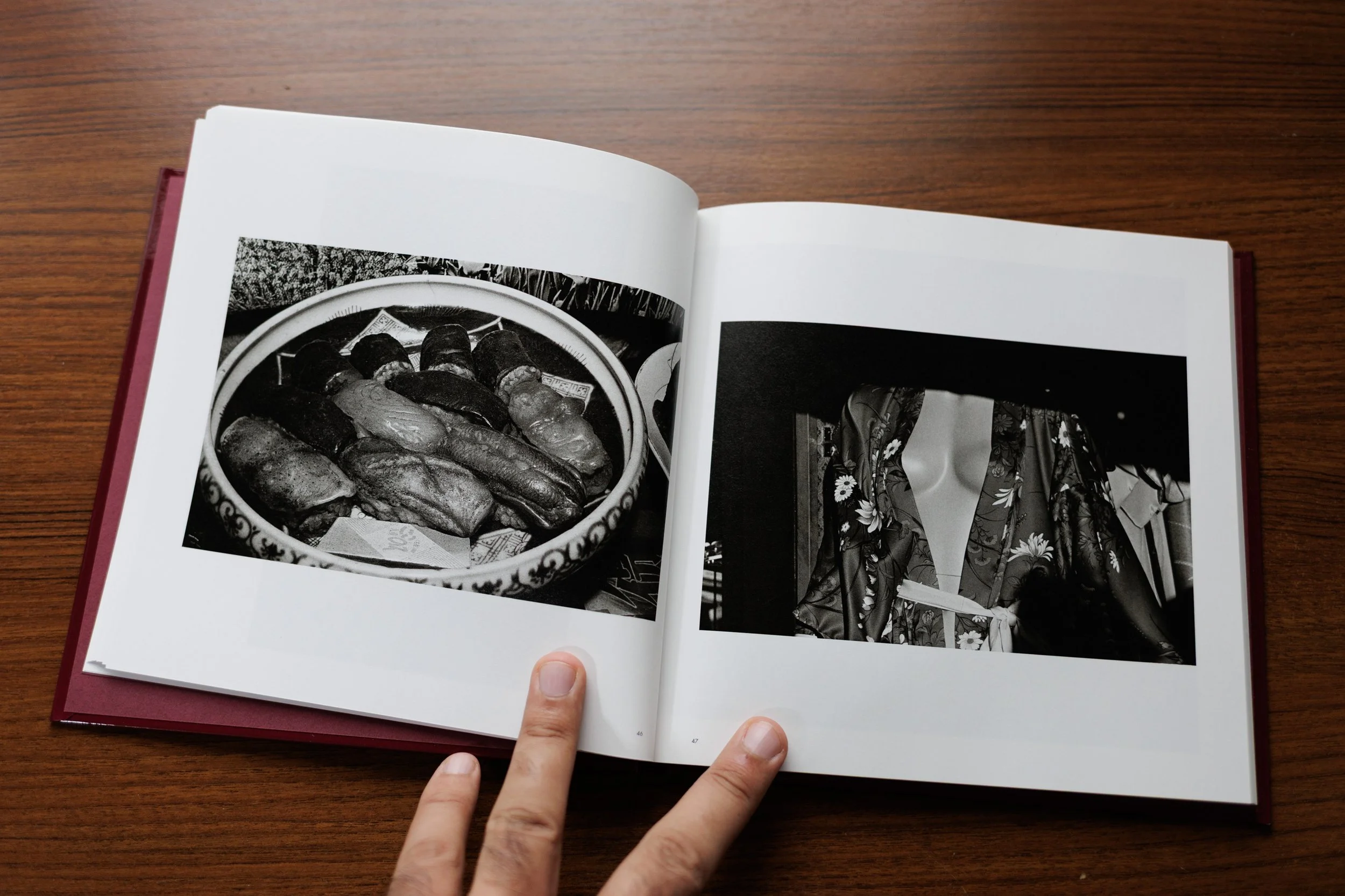
Between 1971 and 1977, he embarks on journeys across Japan documenting festivities and the mundane everyday life of Japanese post-war. His documentary work took the main stage of his prolific career, but a standout photobook published in 2015 came as a surprise for followers of his work, Rei. Rei is a culmination of photographs exploring fetishes, eros, desire and the female figure. He went around and photographed female manequins on display in store fronts of Ginza.
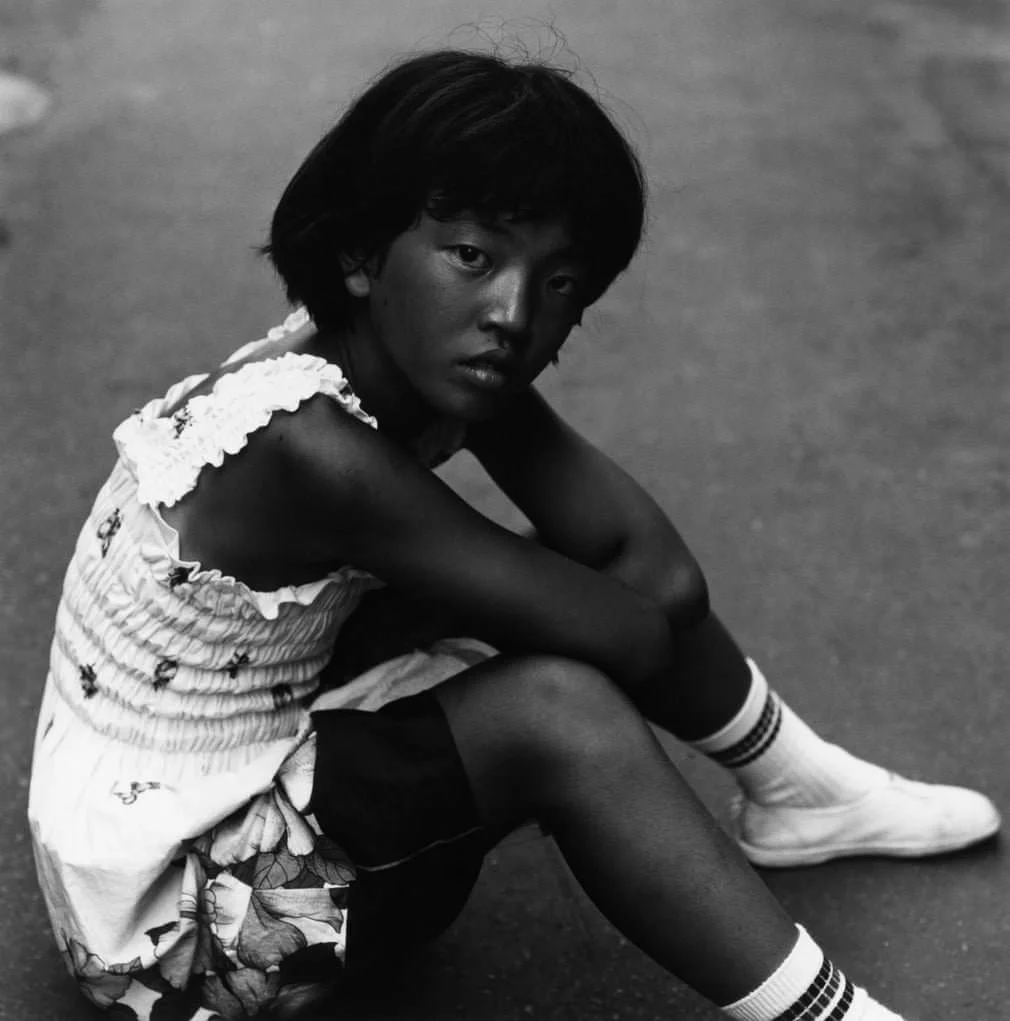
Before passing, he had agreed to collaborate with Choose Commune, a French publisher, to compile a new photobook that would feature his unseen work. Unfortunately, after two months from their first contact, Suda passed away in March of 2019. Choose Commune later acquired these photographs that Suda has set aside and instructed his wife to show them, resulting in 78, published posthumously in 2020.
Influential Work
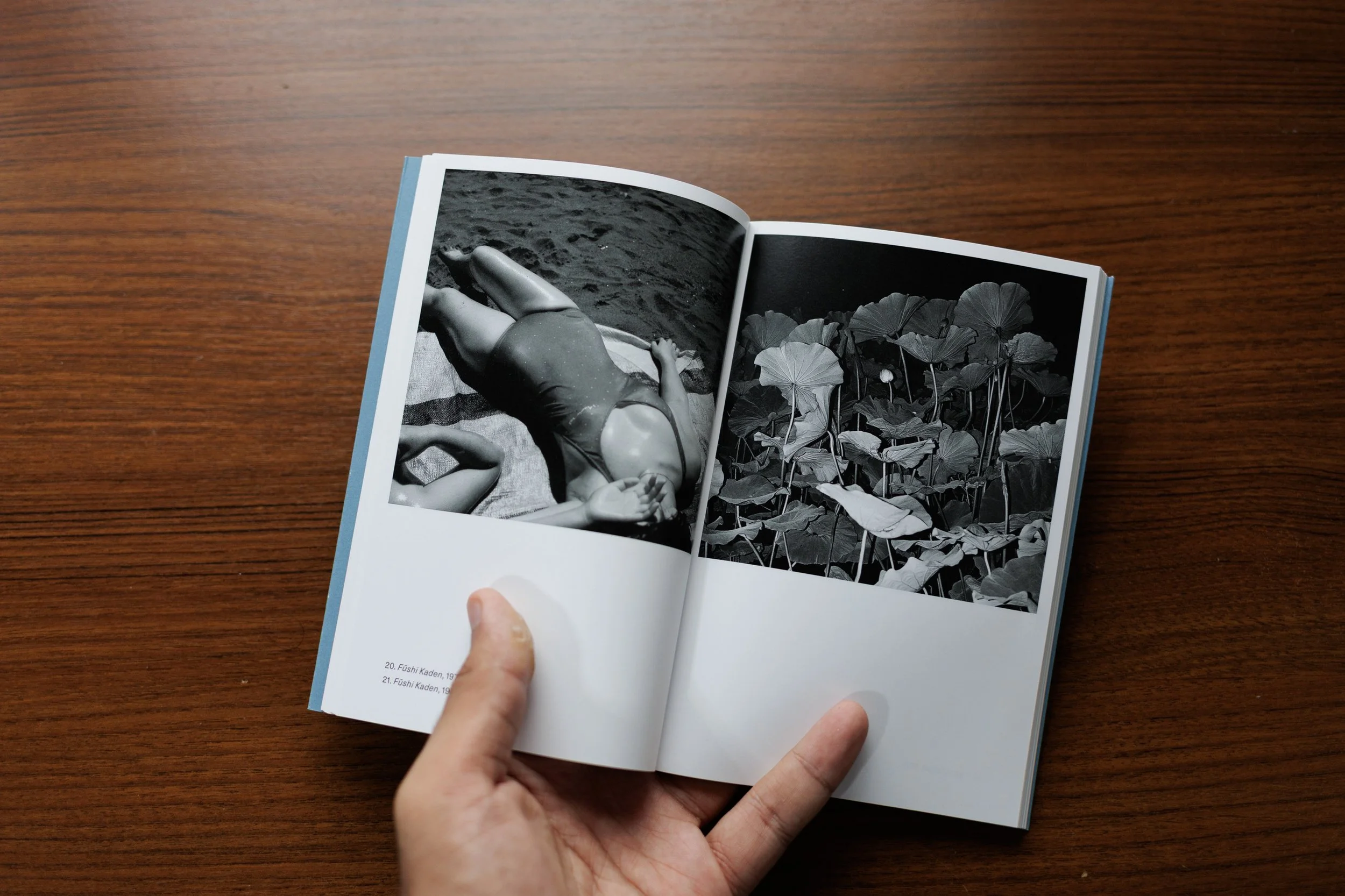
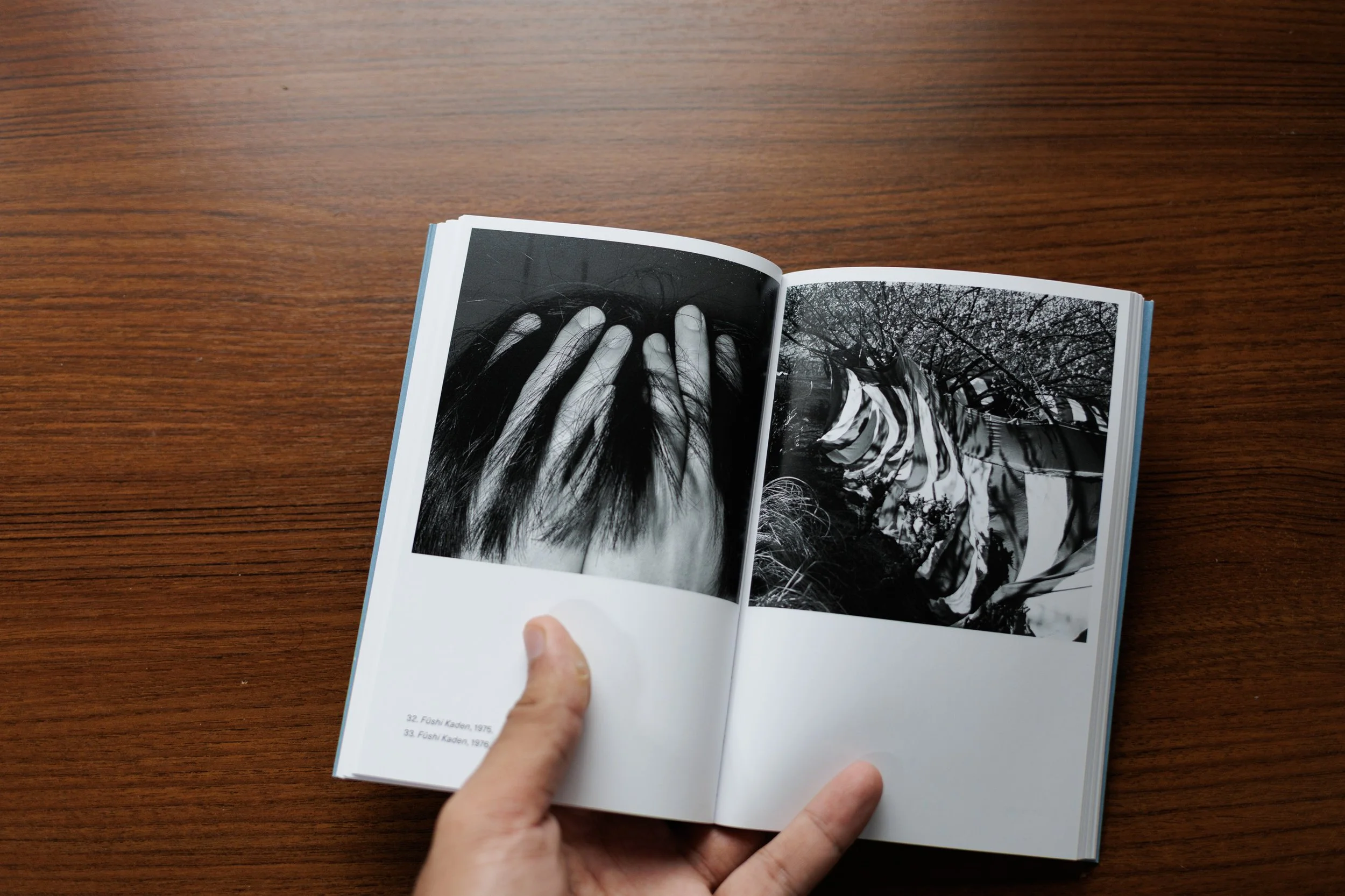
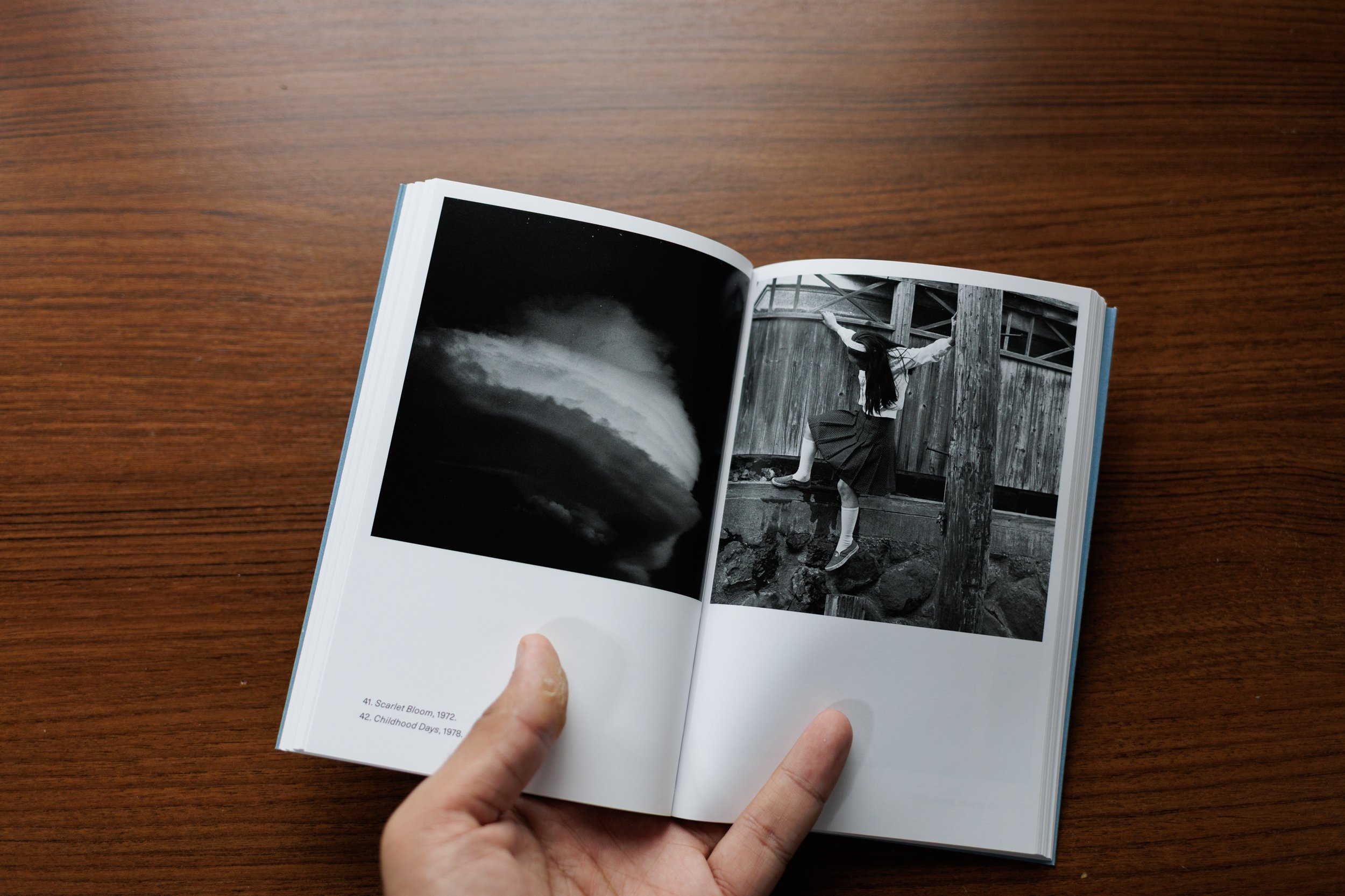
The work Suda made between 1971 and 1977 culminated into a what would later be called Fushikaden or translated as “transmission of the flower of acting style” referring to the 7 volumes of the classic teaching of the art of Noh. One concept from the teaching is crucial to interpreting Suda’s Fushikaden and his subsequent work, “hi sureba hana” or “when you keep a secret, a flower blooms”. Refers to the core concept of Japanese sense of beauty that implies, beauty lies in something that is hidden (mystery). In the same vein, Suda seeks to reveal an underlying sense of mystery [beauty] in his scenes of everyday life.
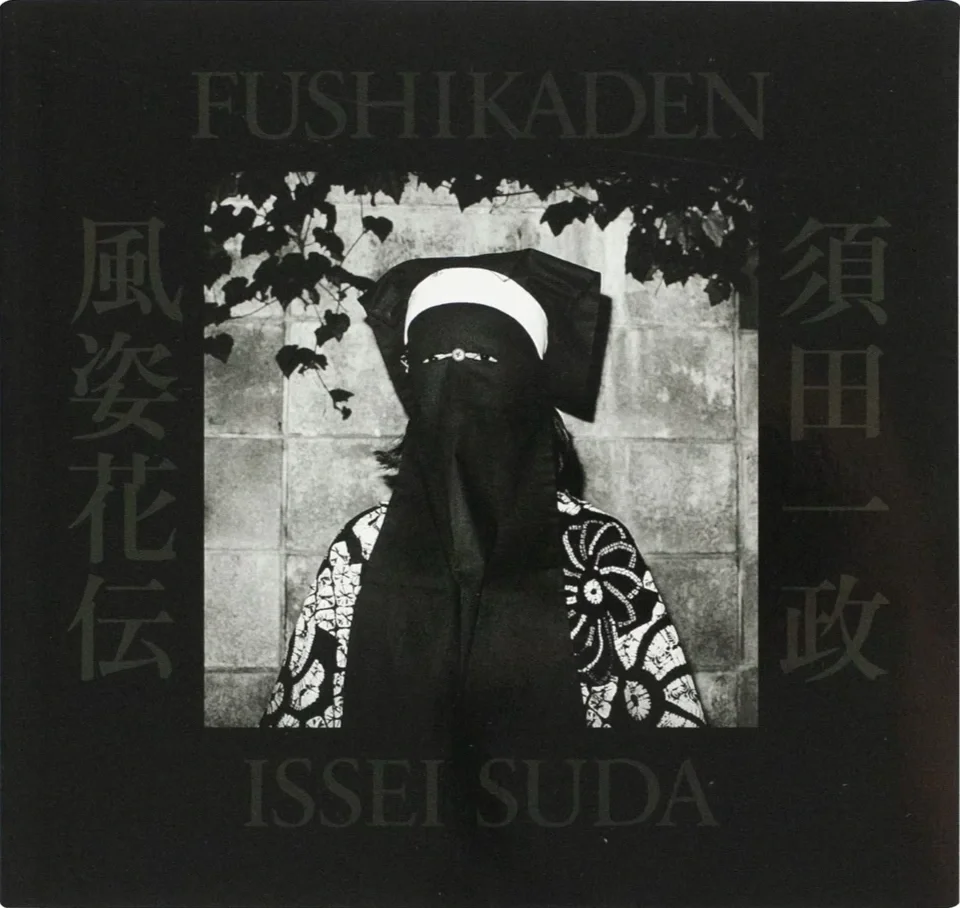
Before being exhibited and compiled into a photobook, the work was serialized in Camera Mainichi between 1975 and 1977. In 1976 the work garnered him an award from Photographic Society of Japan that propelled him to new heights among Japanese photographers of the time. In 1977 it was exhibited at Nikon Salon in Tokyo and Osaka and 1978 Fushikaden was published as the first photobook from Issei Suda.
Photographic Style
“I’ll shoot anything that looks good. I have no wish at all to cause agitation or to express political dissatisfaction with my photography.”
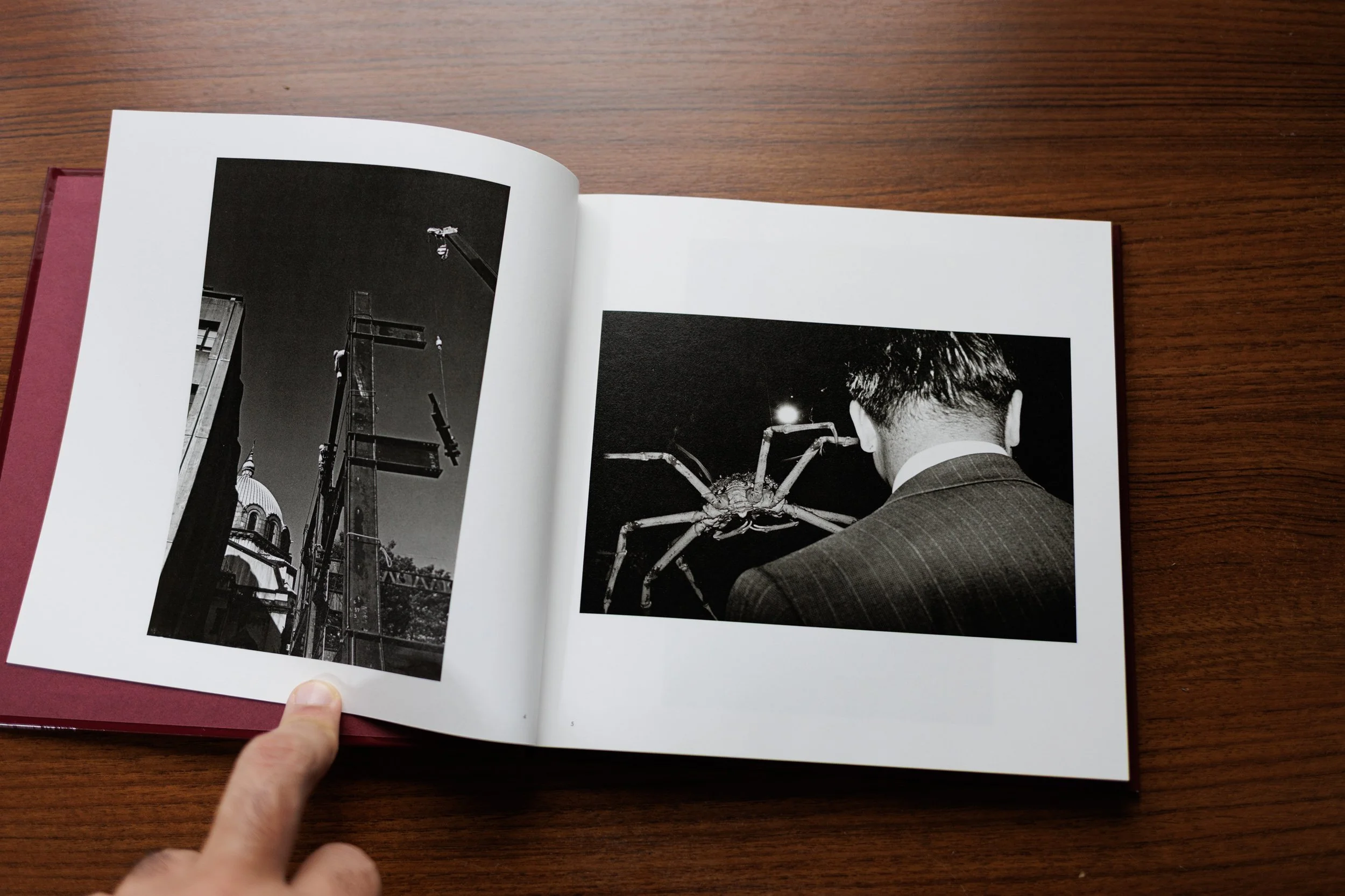
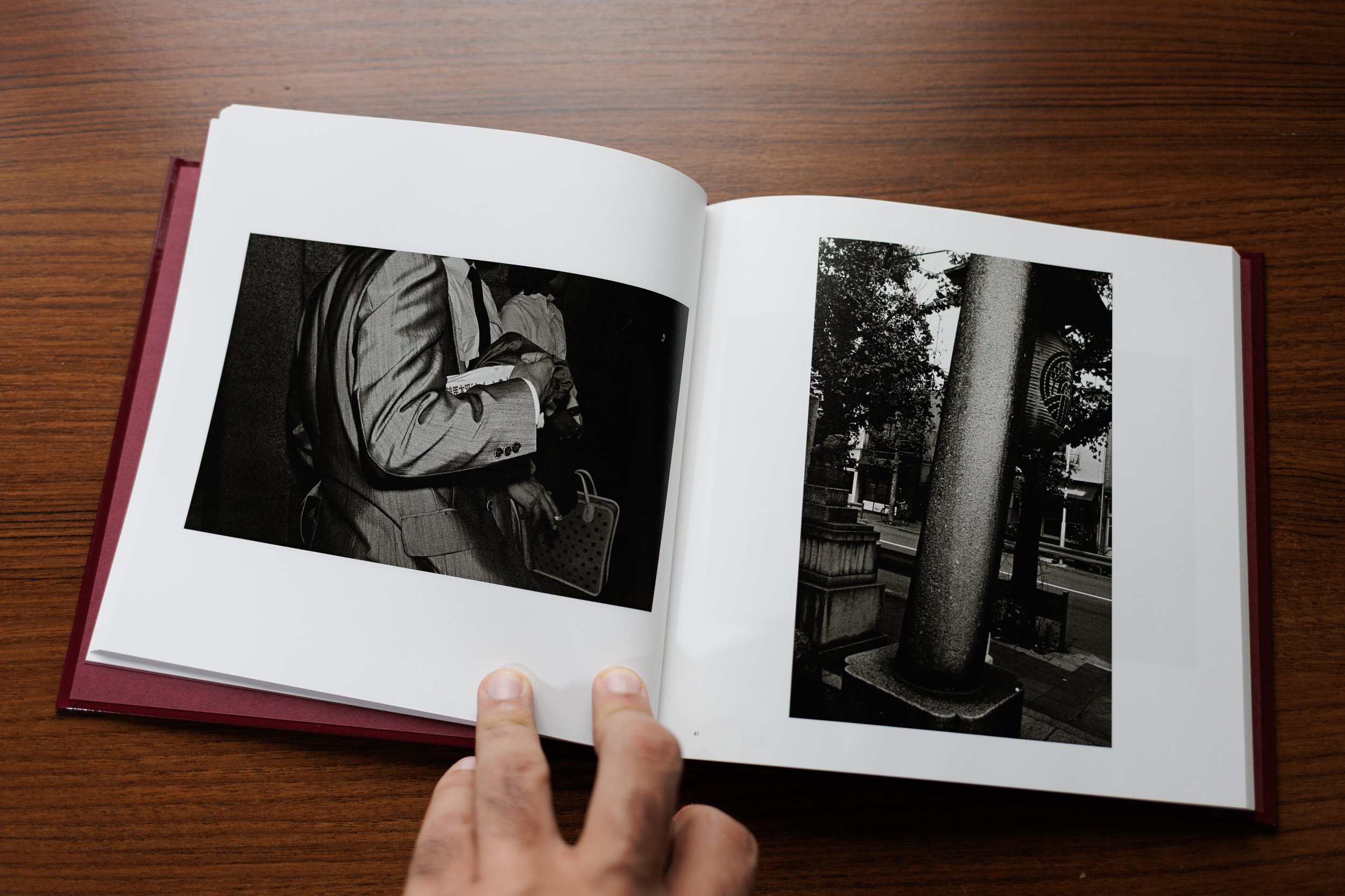
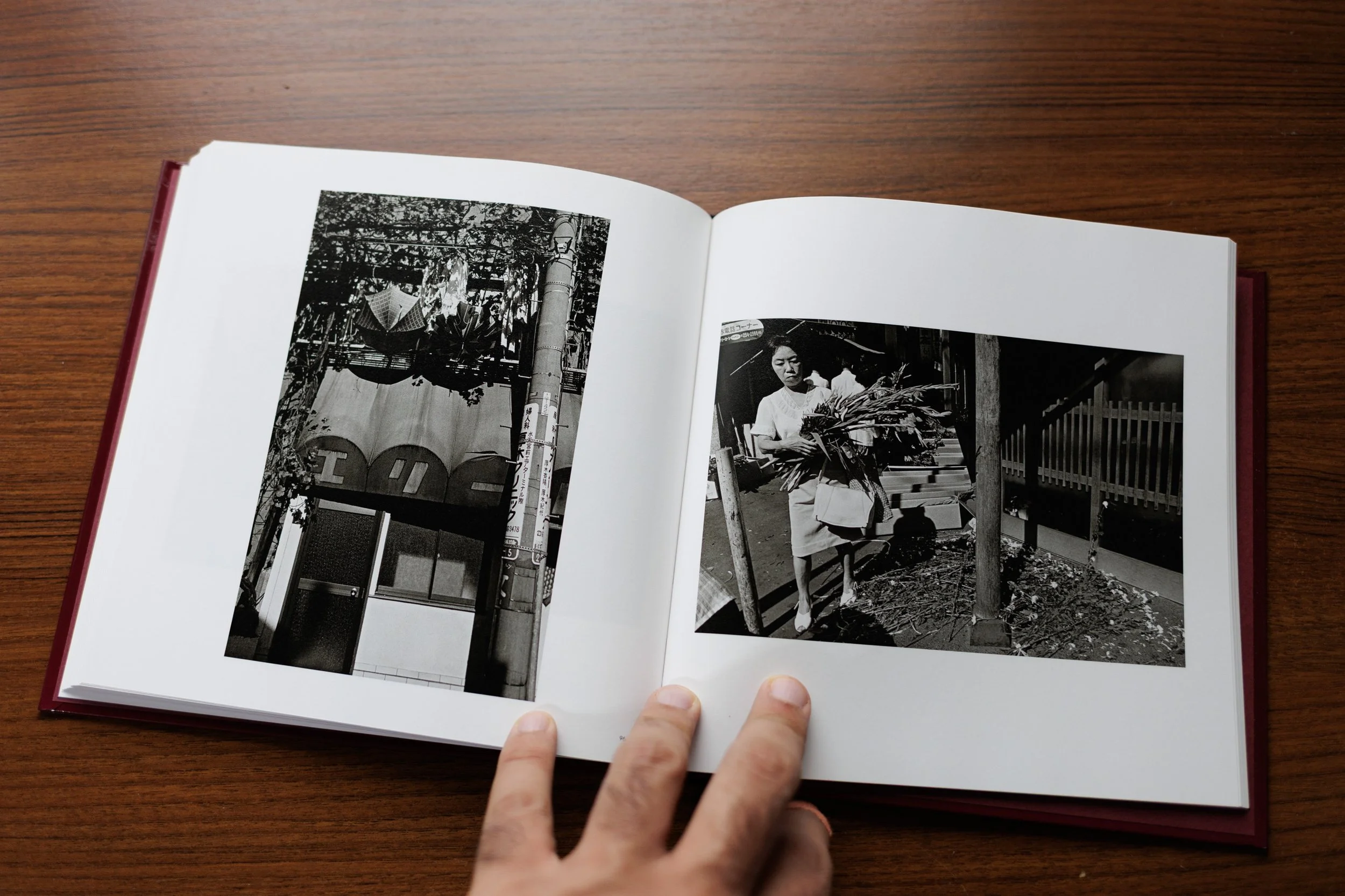
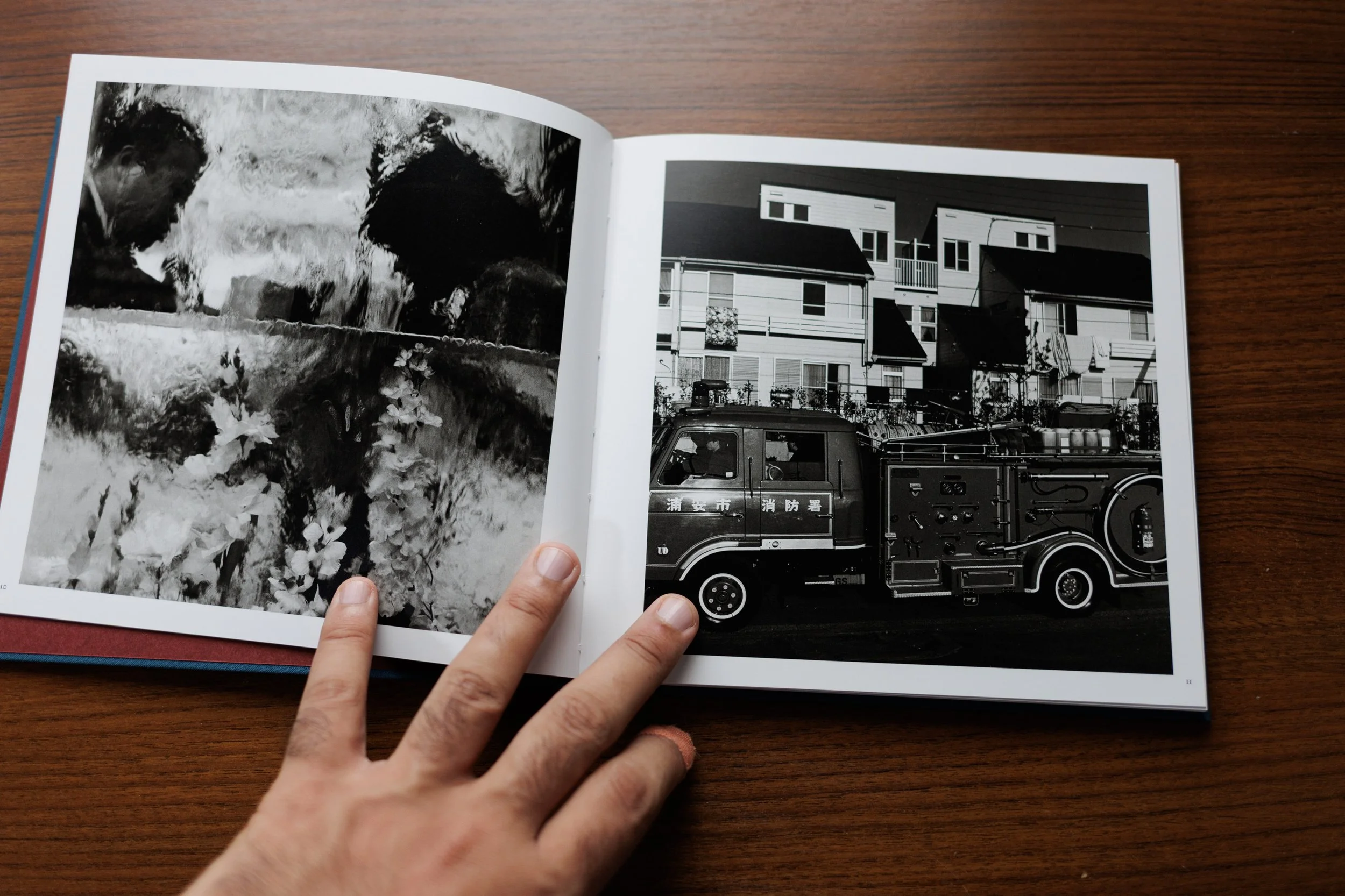
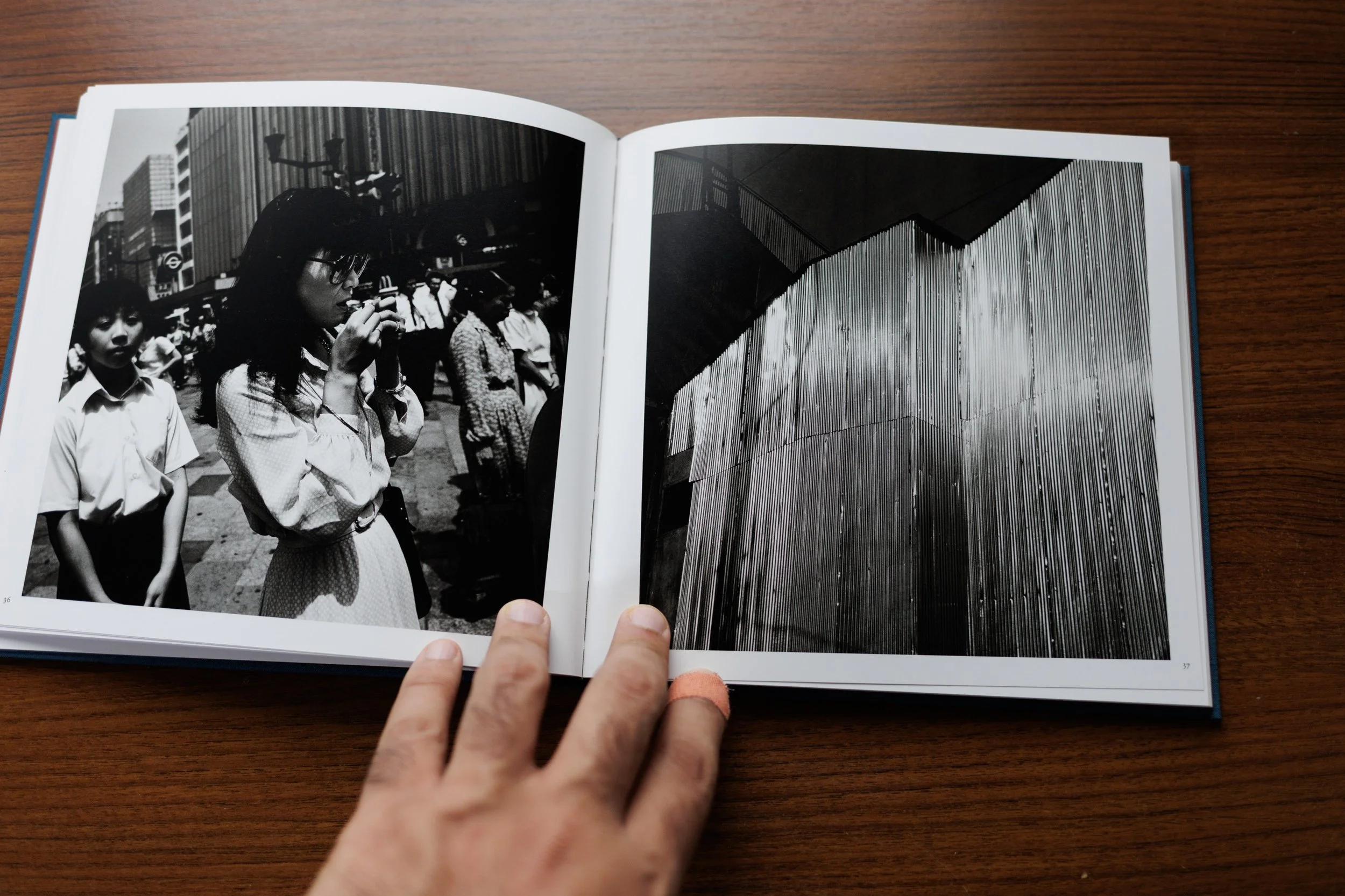
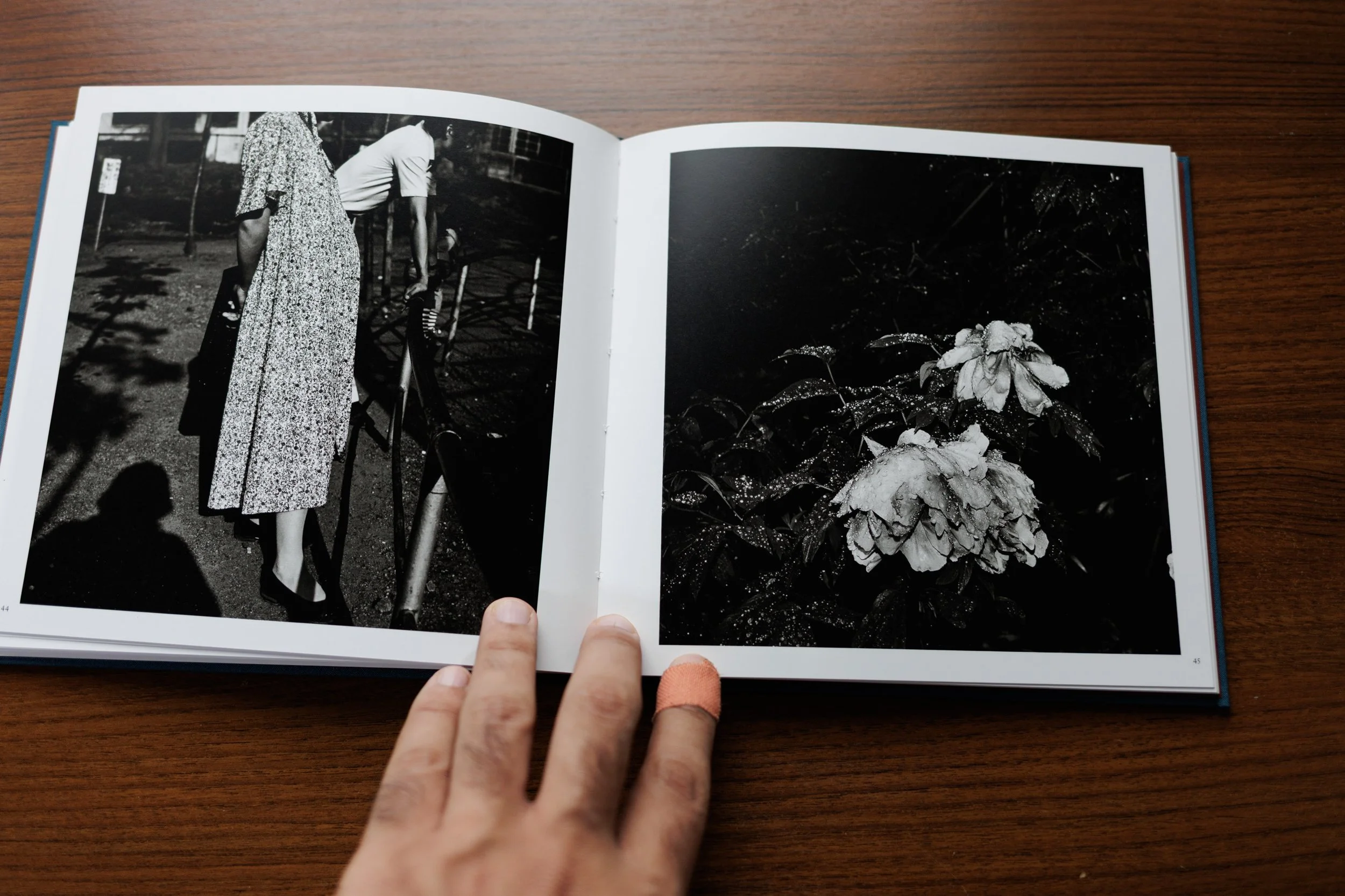
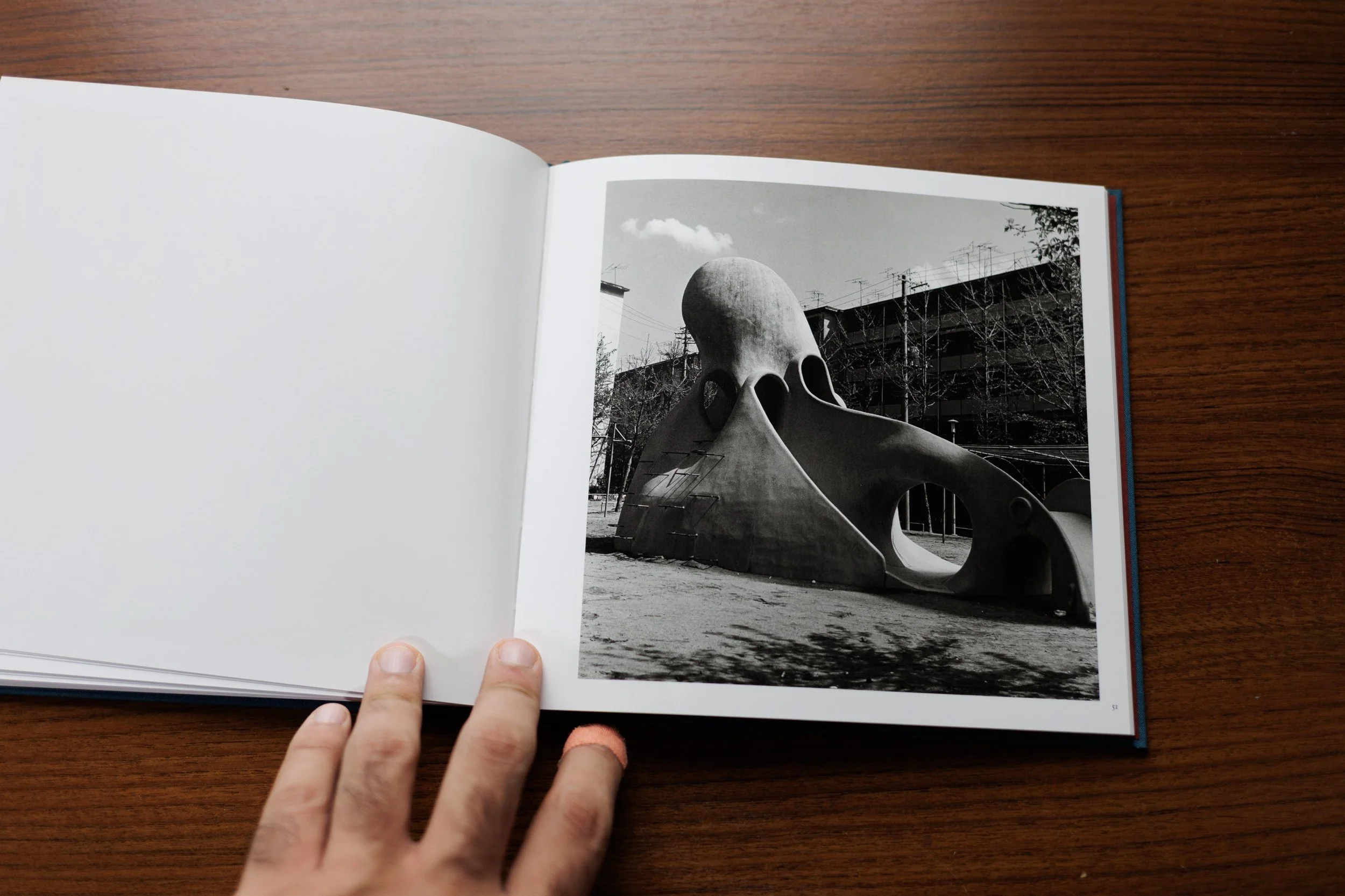
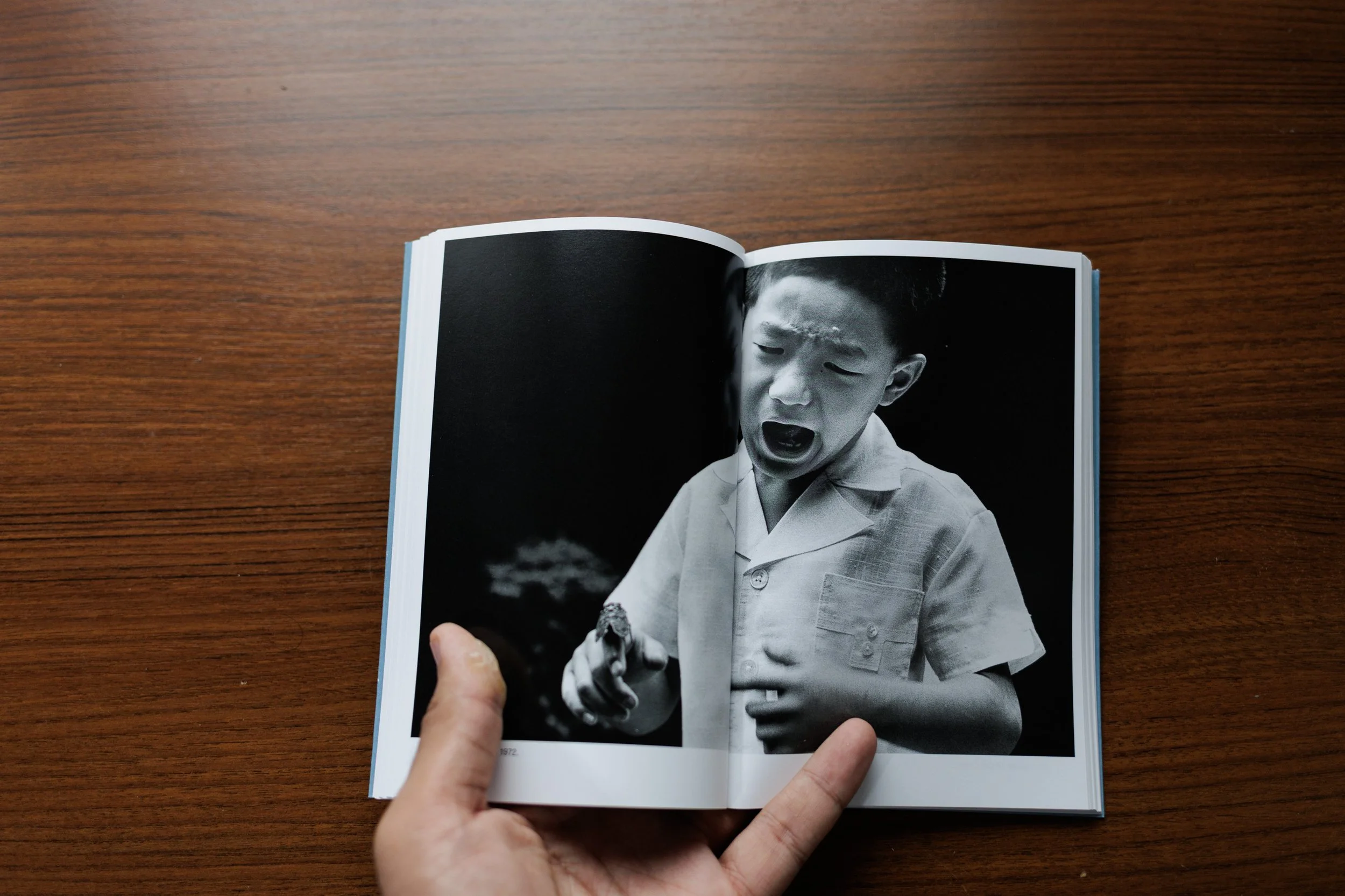
The first sentence in that quote sums up his intention for making photograph quite nicely and upon studying his work, it holds true. The breadth of his subject is astonishingly wide. He shoots anything from a head poking out of a news stand, snakes, goats, kids, woman, tress, streets, cables, and anything in between. Whatever he shoots is often time meticulously composed and frequently juxtaposed. Although he doesn’t shy away from shooting simple frames and mundane subject like the top of a column, statues, carvings, posters and people crossing the streets as seen in The Sketch of Kanto Area. These subjects while mundane paint a picture of what one can expect strolling around Kanto.
He often resorts to using flash to light and freeze indoor scenes and to separate his subject from the background on the street. This is evident most in his first photobook, Fushikaden, Mongusa Shui, as well as in Tokyo Modern among other works.
Influence on My Work and Conclusion
If anything, that I am parting with upon doing my study on Issei Suda is that there is value in documenting your city. Suda worked exclusively in Japan, and that has cemented in me the conviction to chasing (and documenting) the change in my city, Bangkok.
References
https://www.1854.photography/2020/04/issei-suda-78-chose-commune/
https://centrephotographiemougins.com/exposition/fushikaden/?lang=en
https://moom.com.tw/en/item/issei-suda-my-japan
https://fw-books.nl/product/issei-suda-my-japan/
https://en.wikipedia.org/wiki/Issei_Suda
https://www.phillips.com/detail/須田一政-issei-suda/139609
https://ibashogallery.com/artists/97-issei-suda/
https://time.com/3589804/issei-sudas-theater-of-the-everyday/
https://chosecommune.com/book/issei-suda-trade-edition
https://www.exibartstreet.com/news/issei-suda-the-sketch-of-kanto-area/
https://independent-photo.com/news/issei-suda-78/