
TL;DR
“I don’t see the act of taking photos as an artistic act of creating “art pieces“. I always thought of it as making copies.”
This quote sums up the work of Moriyama definitively. It also allows us as observer and appreciators of his work to understand why he is such a prolific publisher of zines and photobooks and why he shoots most days of his life and continues to do so into his 80s. If you don’t read through the rest of this article, know that you have taken away the most important thing about Moriyama and his essence.
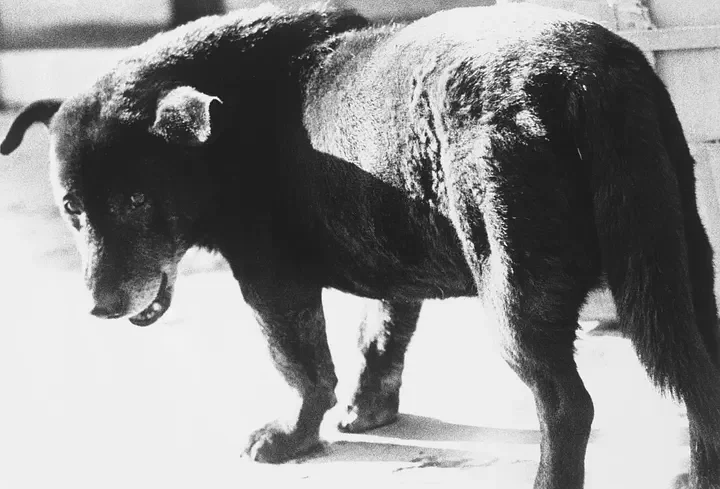
Mini Biography
Daido Moriyama was born in 1938 in Osaka. He never attended formal photography schools but instead trained in apprenticeship under Takeji Iwamiya, a well-respected Japanese photographer of the time who produced a variety of style of work ranging from architectural, documentary, street and archival. In 1961, he moved to Tokyo and became an assistant to Eikoh Hosoe, whom Moriyama credits as the person who taught him the core principles of photography But if we look at their work side by side, we will see that Moriyama absorbed more than just his techniques and knowledge.
Influence and Photographic Style
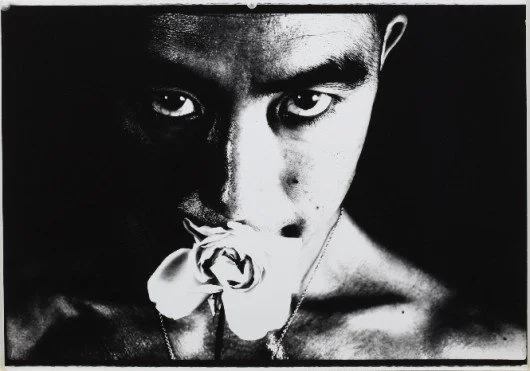
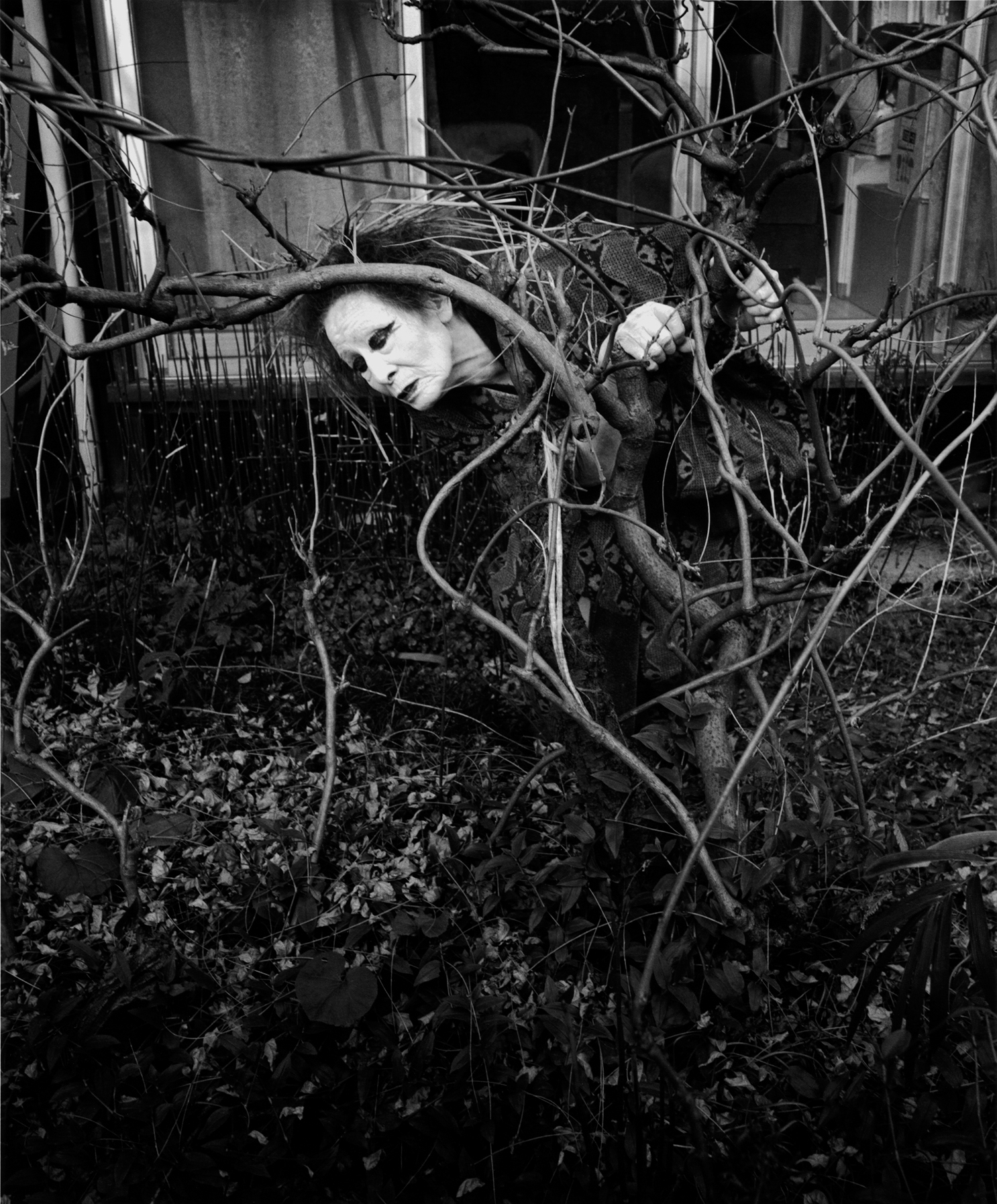
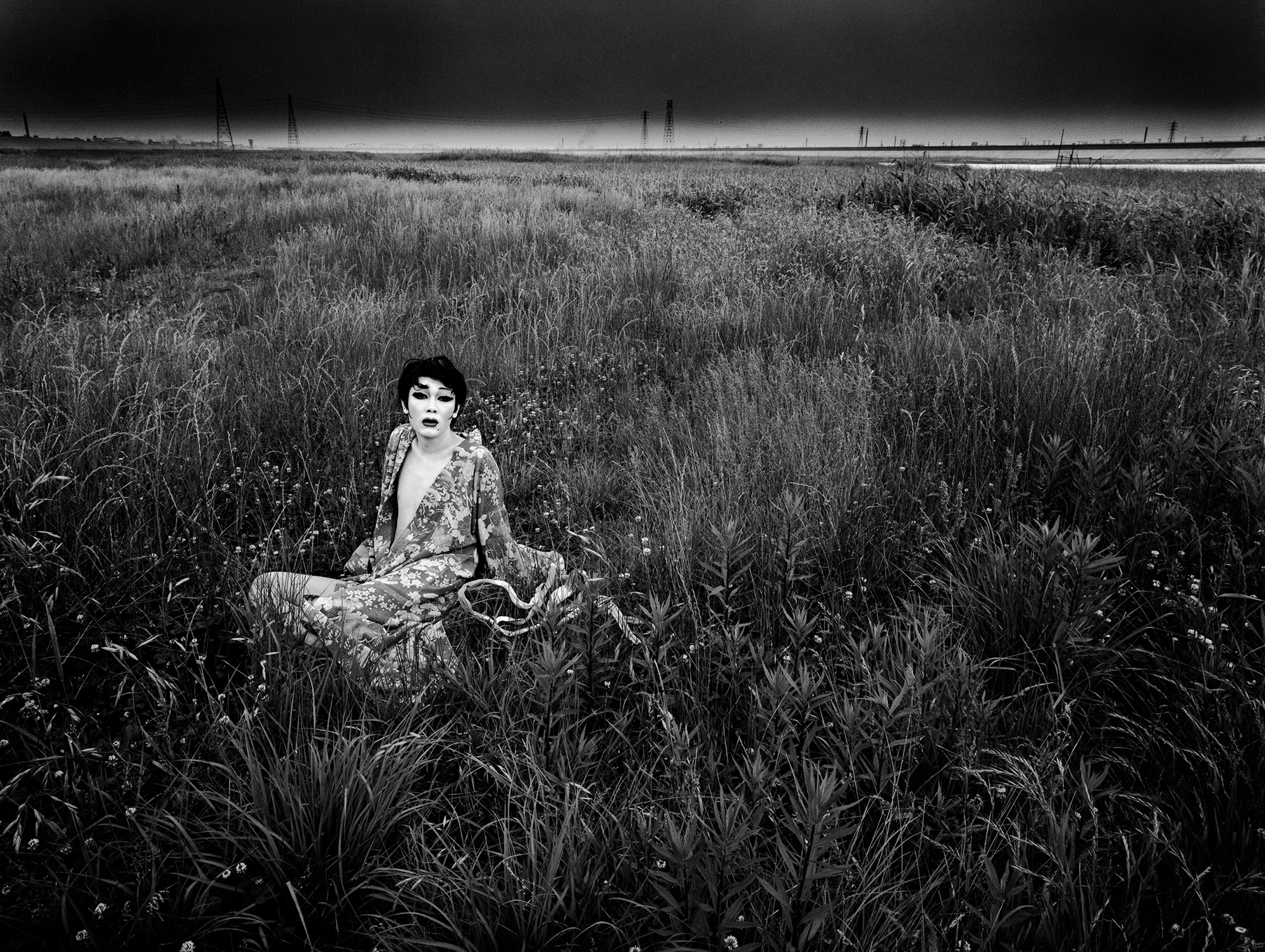
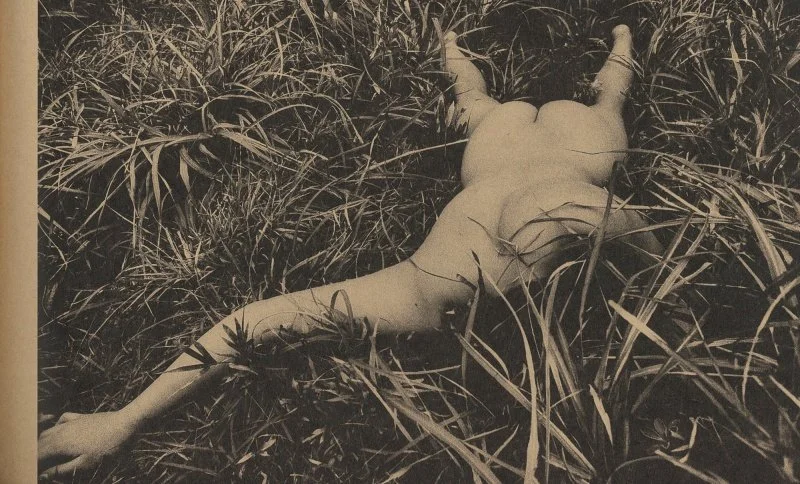
Eikoh Hosoe is a contemporary photographer whos work revolves around the human form presented in dark, often time psychologically jarring and irrational imagery. When we examine Moriyama’s work closer than on the surface we can trace back its influence to Eikoh Hosoe. While Eikoh applies his vision on to contemporary and conceptual works, Moriyama takes the same elements and applies it to street photography with his own spin of quick and dirty approach. Making him an opposit reflection of a person we could characterize as his mentor. He took the style learnt through apprenticeship with a contemporary photographer and appllied the same to classical/ traditional photography.
Eikoh Hosoe work for reference.
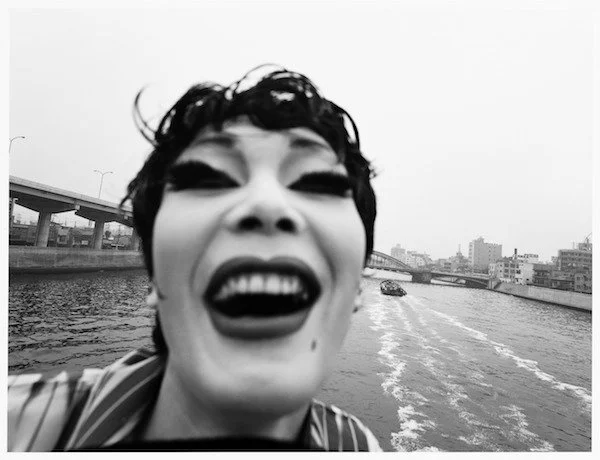
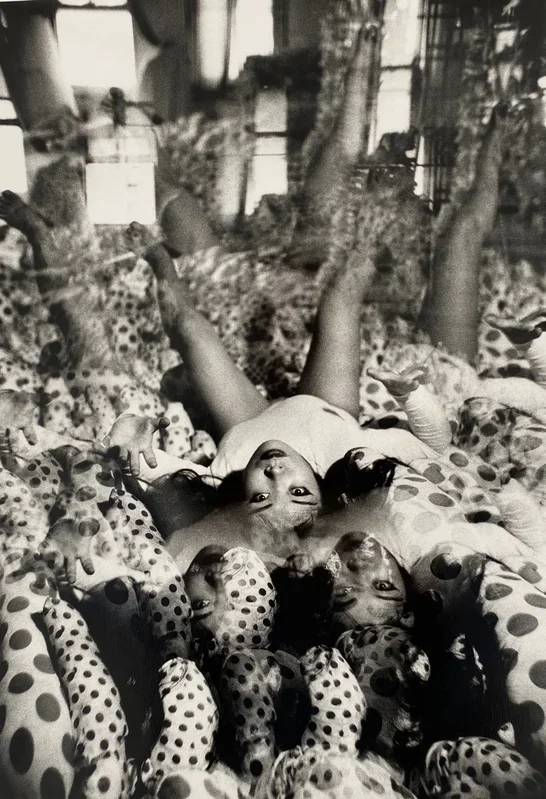
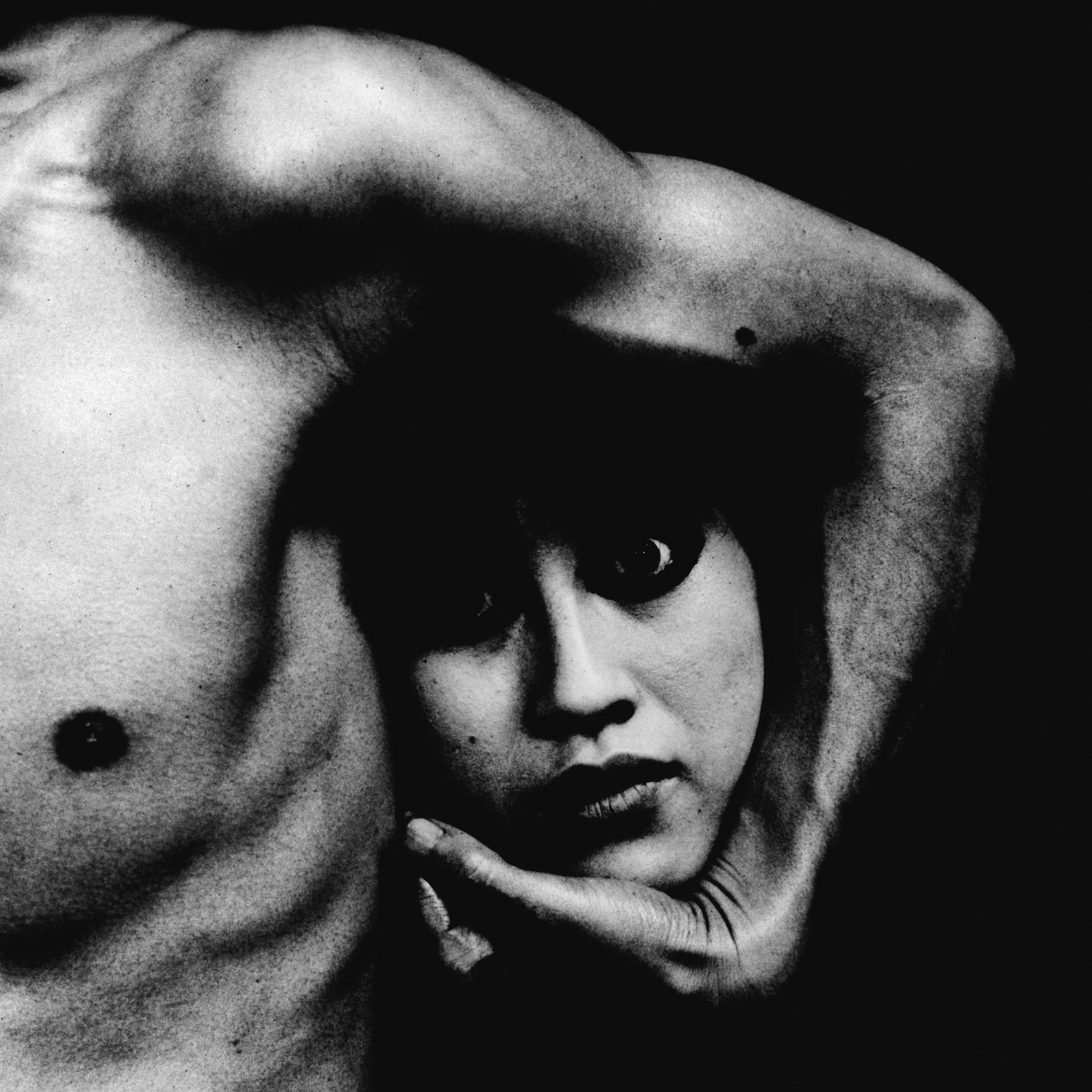
Daido Moriyama work for comparison to Eikoh Hosoe
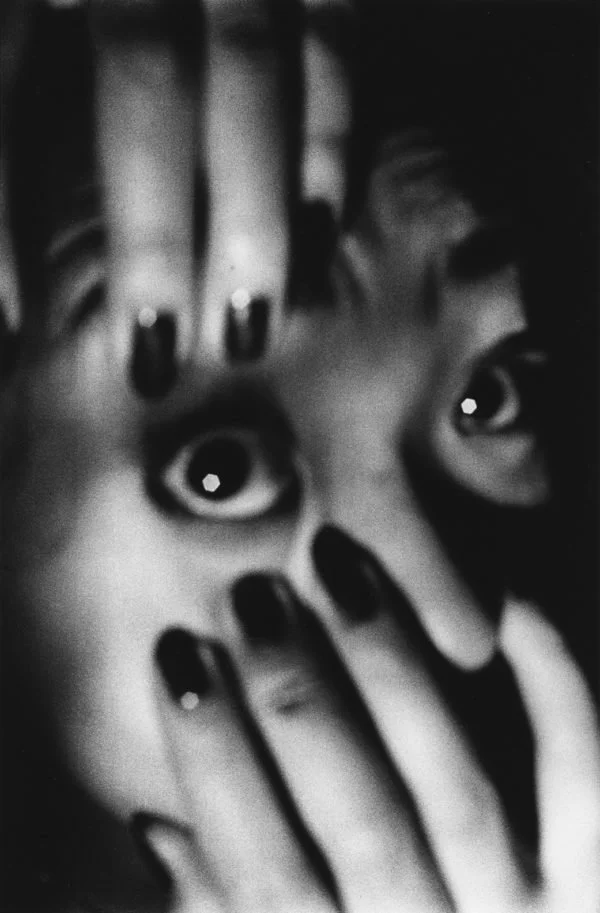
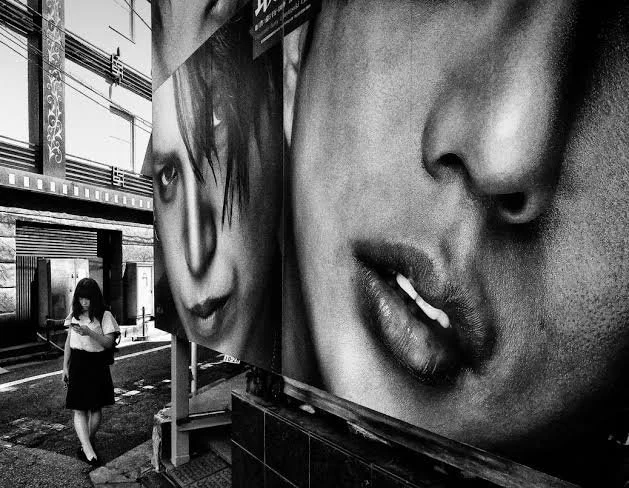
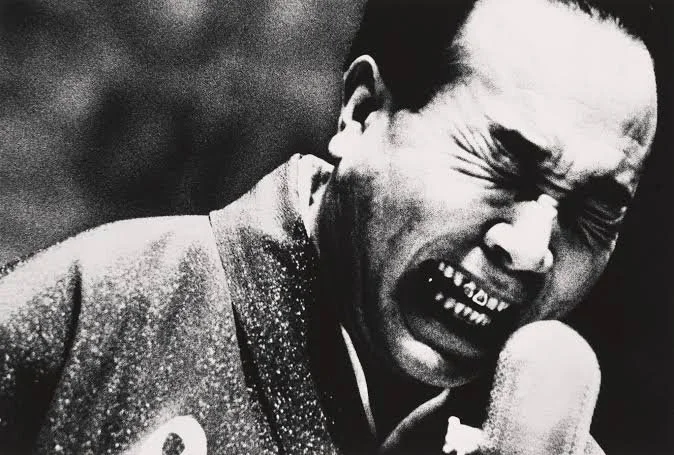
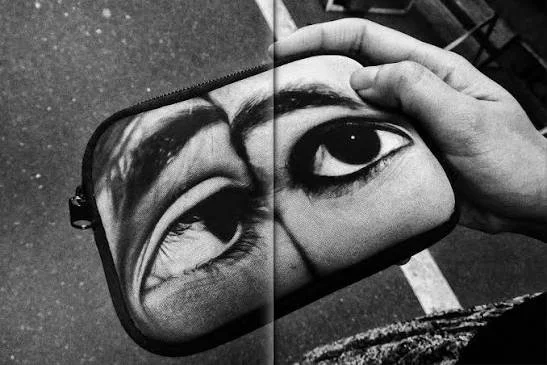
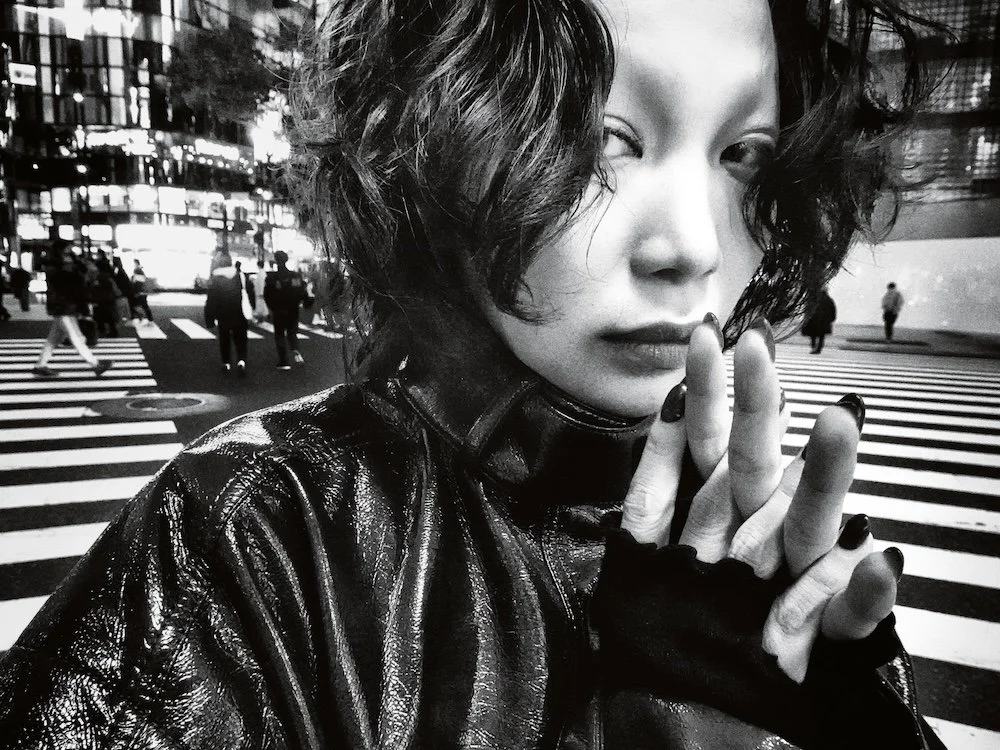
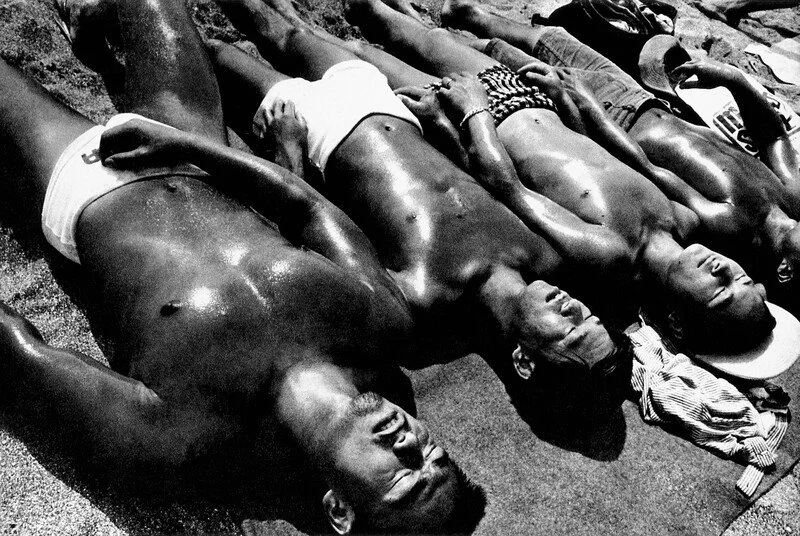
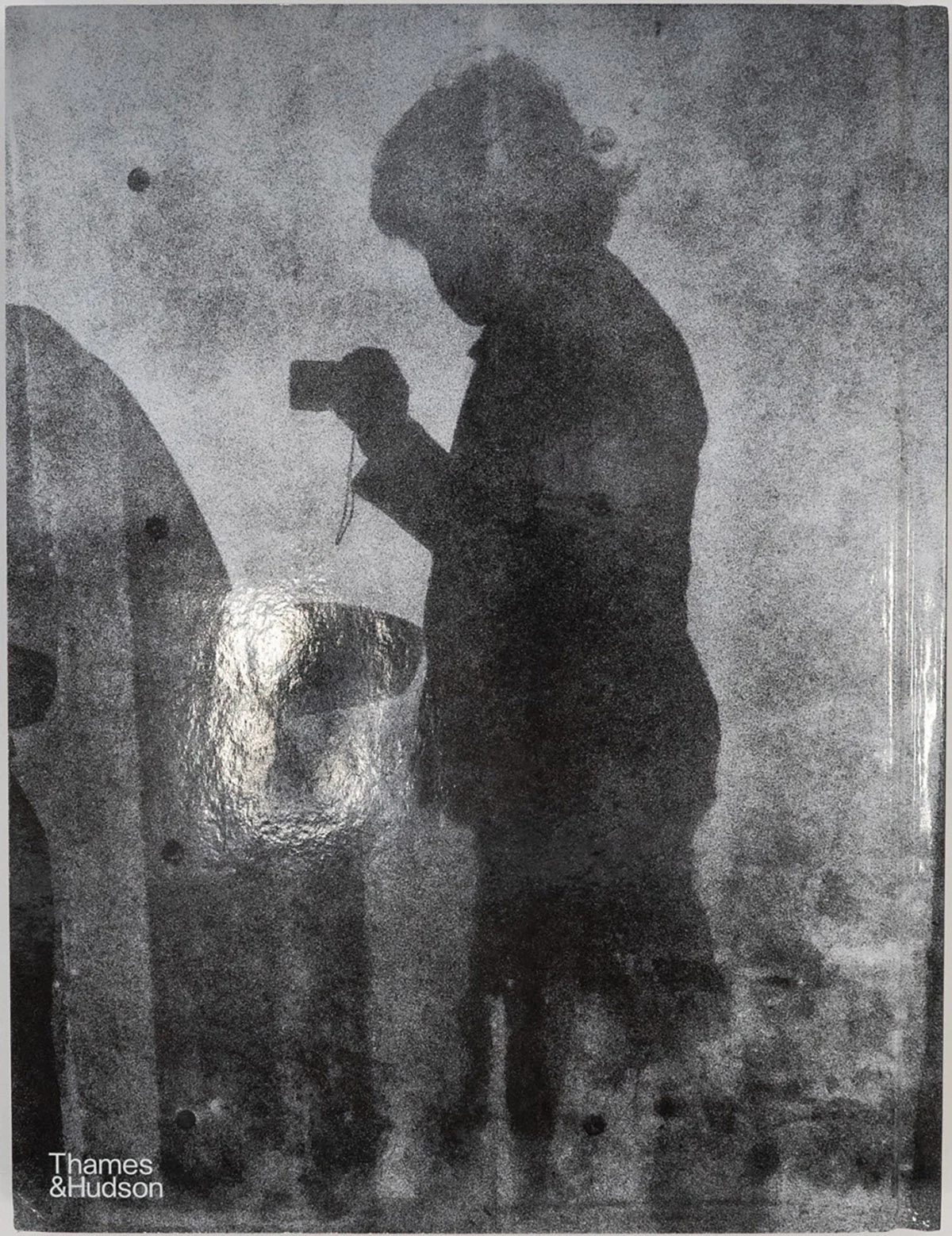
“When I shoot, I am driven by my interests, my physical reaction, my memories and all kind of other elements”
That quote allow us to make a connection between the man and his work. His work is often reactive and fast. He often doesn’t look into the viewfinder to shoot. Instinctive almost. In the book, Daido Moriyama How I take Photographs he is quoted as saying “Take photographs - of anythign and everything, whatever catches your eyes. Don’t pause to think.”
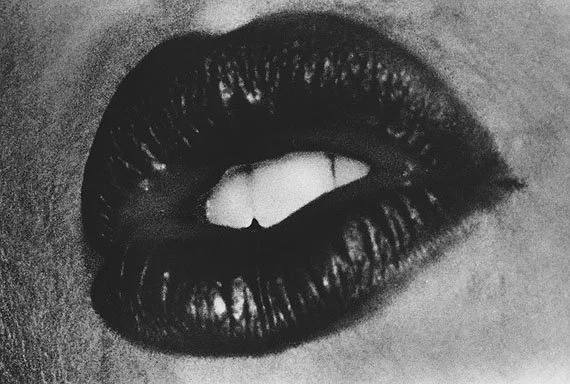
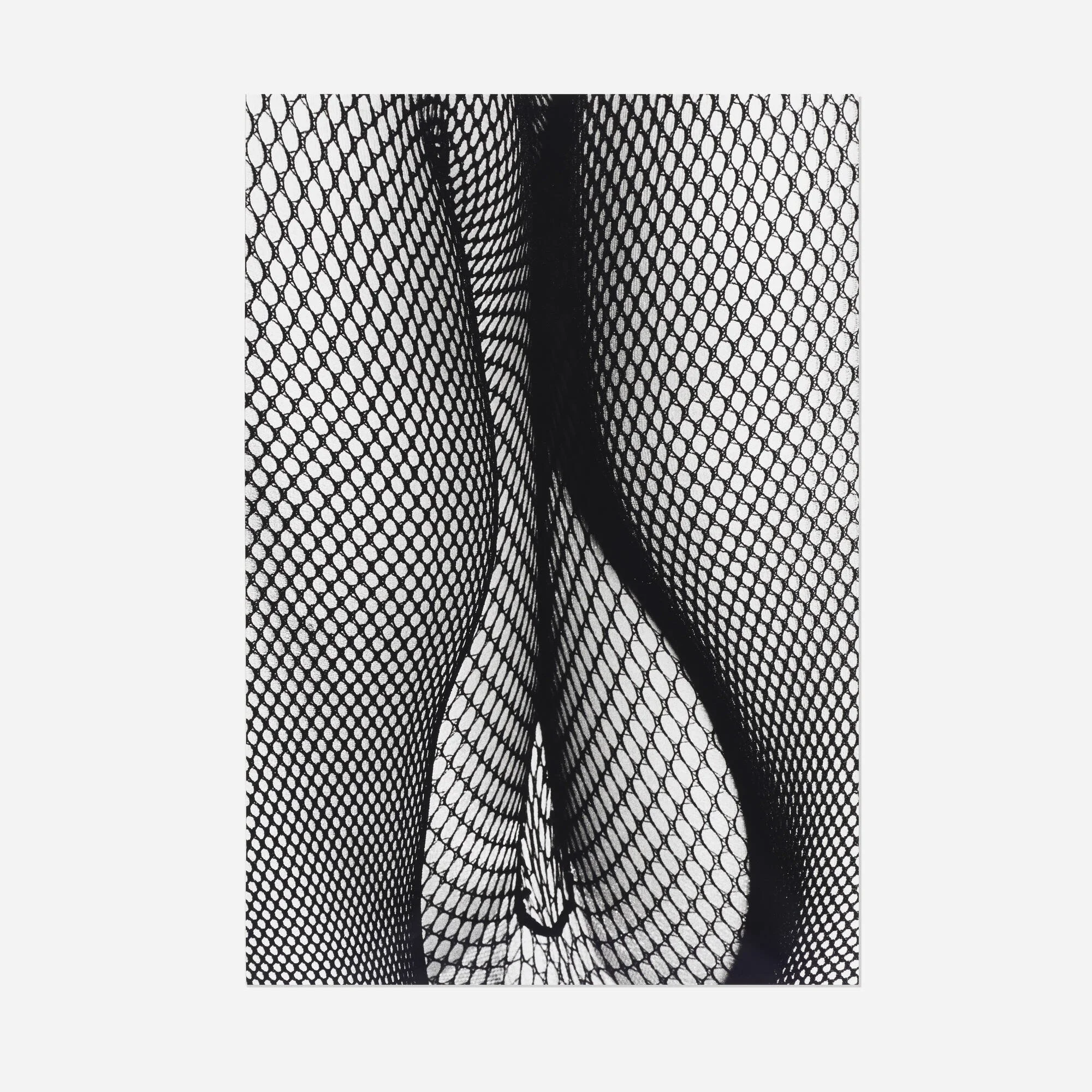
While Moriyama is mainly known for his snapshot style street photography, he embarked on other photographic styles as well. Most notablely in Tights and Lips in 1987. Where he pointed his camera at well… lips and legs in fishnets creating abstract and erotic photos that could be a derivative of Eikoh’s work which as we saw revolces around the human body.
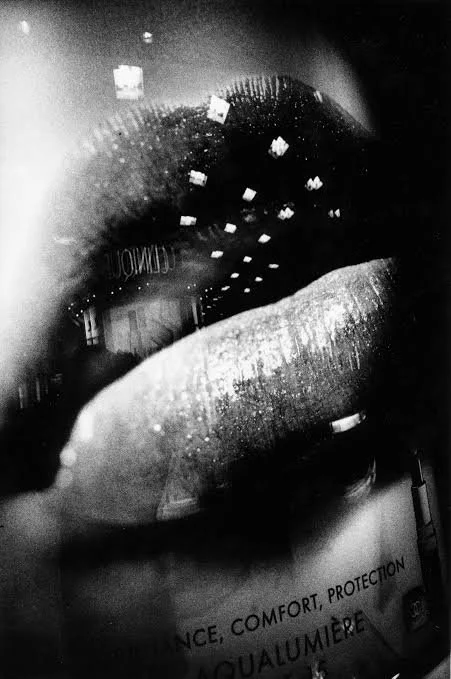
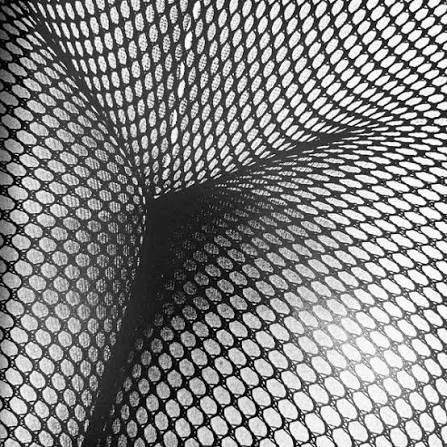
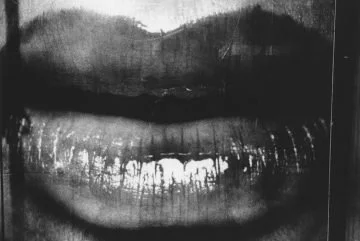

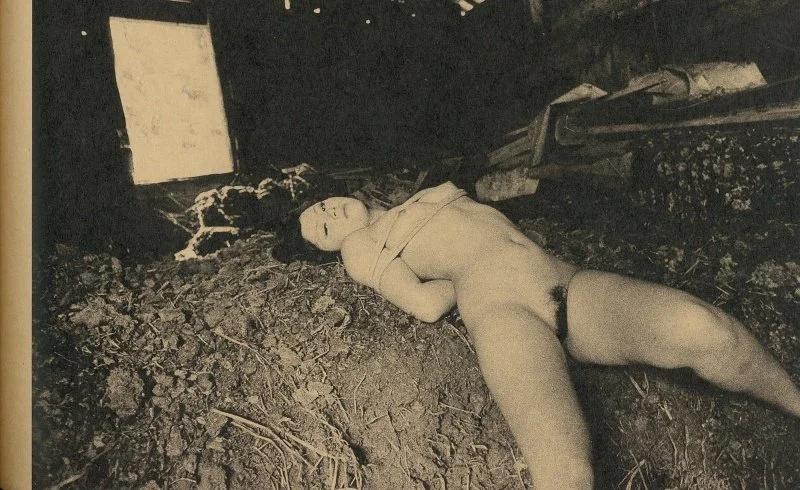
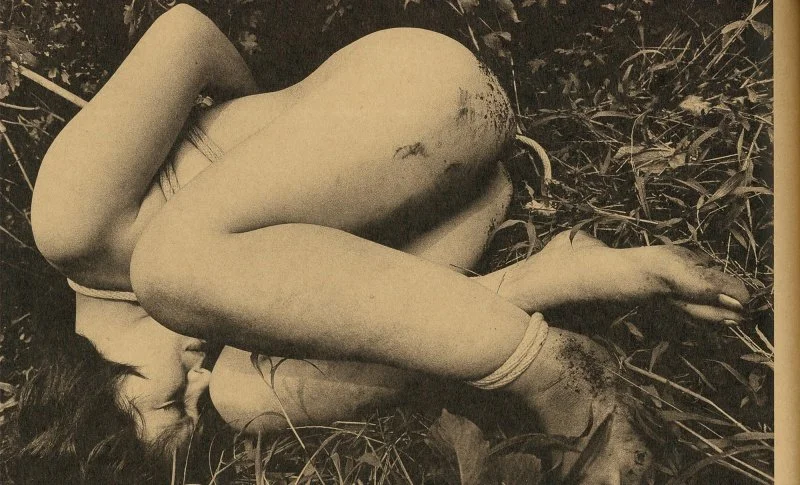
Jumping back in time, in the same vein as Eikohs work and lips and tights we have Mayfly published in 1972. A conceptual piece and collaboration between Moriyama and Oniroku Dan, a bondage artist/ choreographer, that depicts bonded women in a non-descript location at “the cape of a certain peninsula“. Explore his interests in erotic photography even more.
RECORD
“My true interest in photography is producing books”
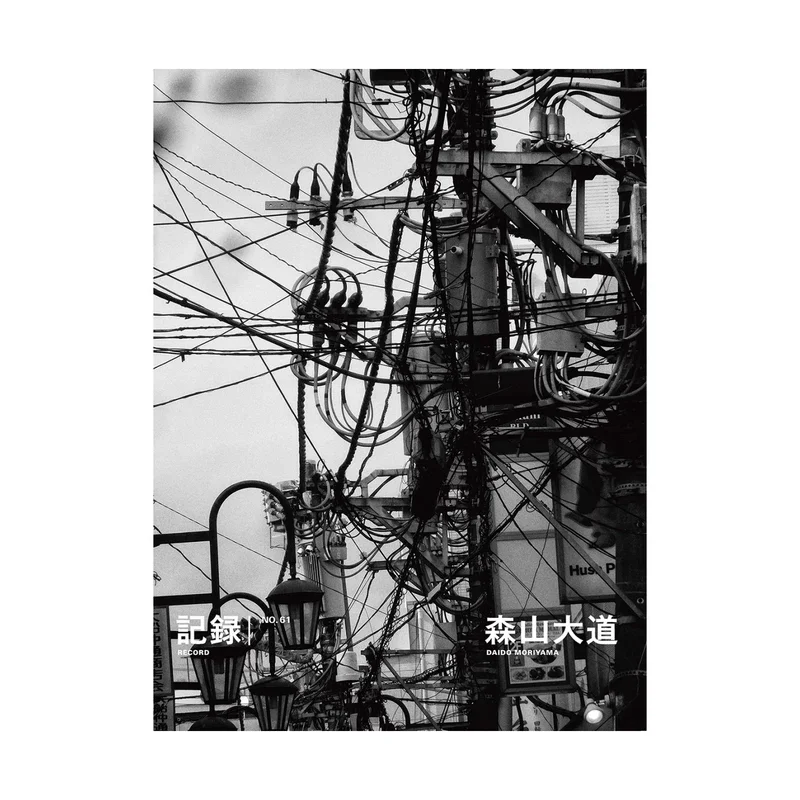
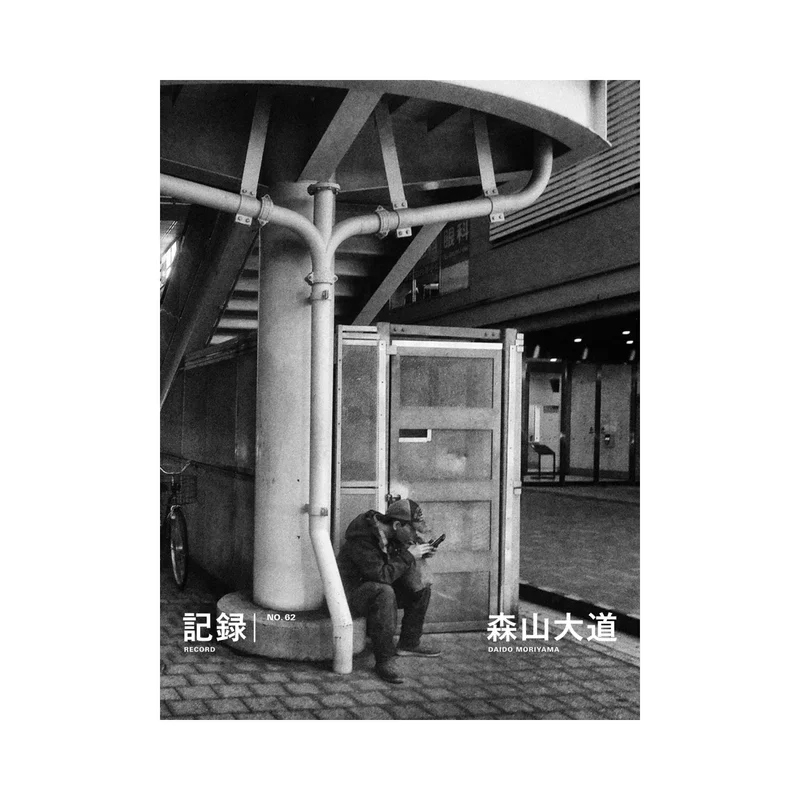
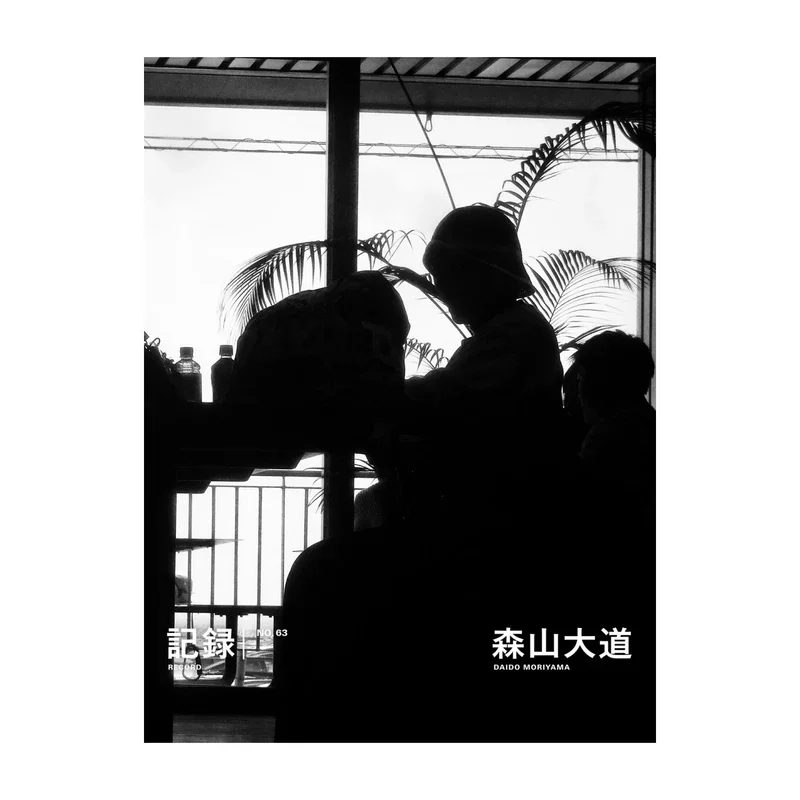
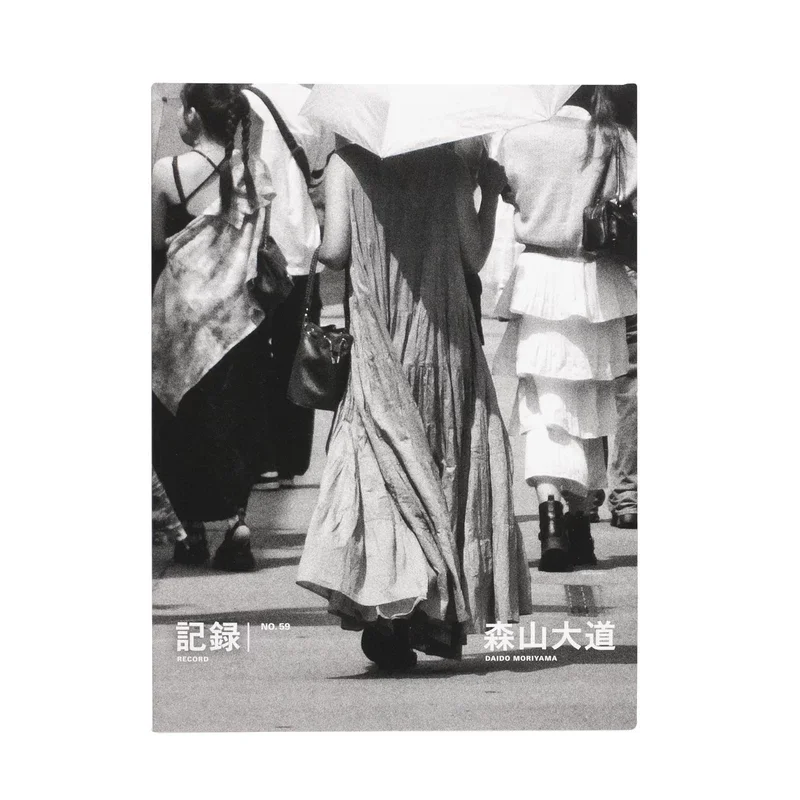
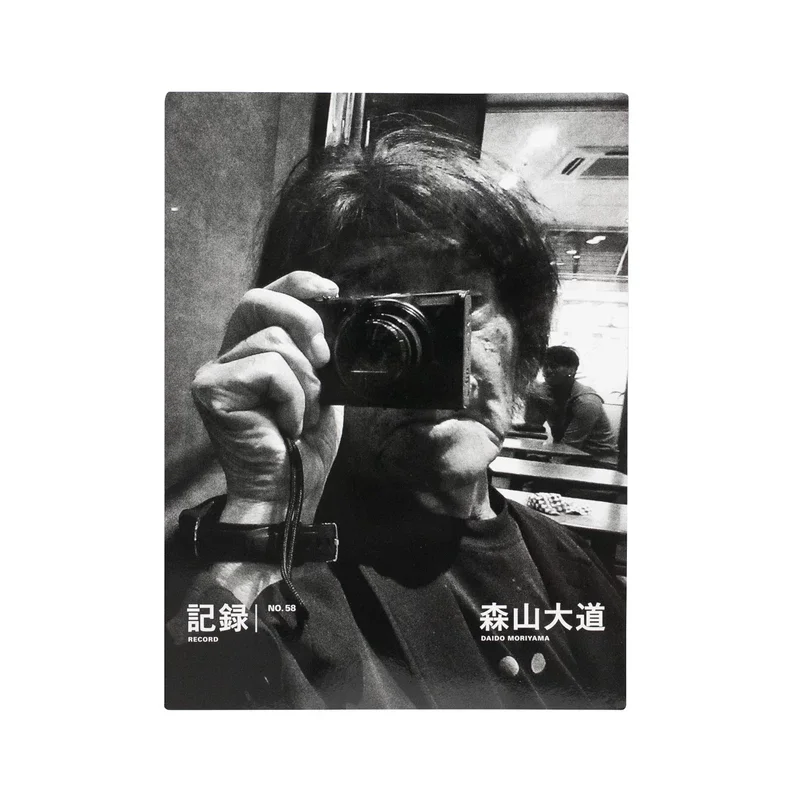
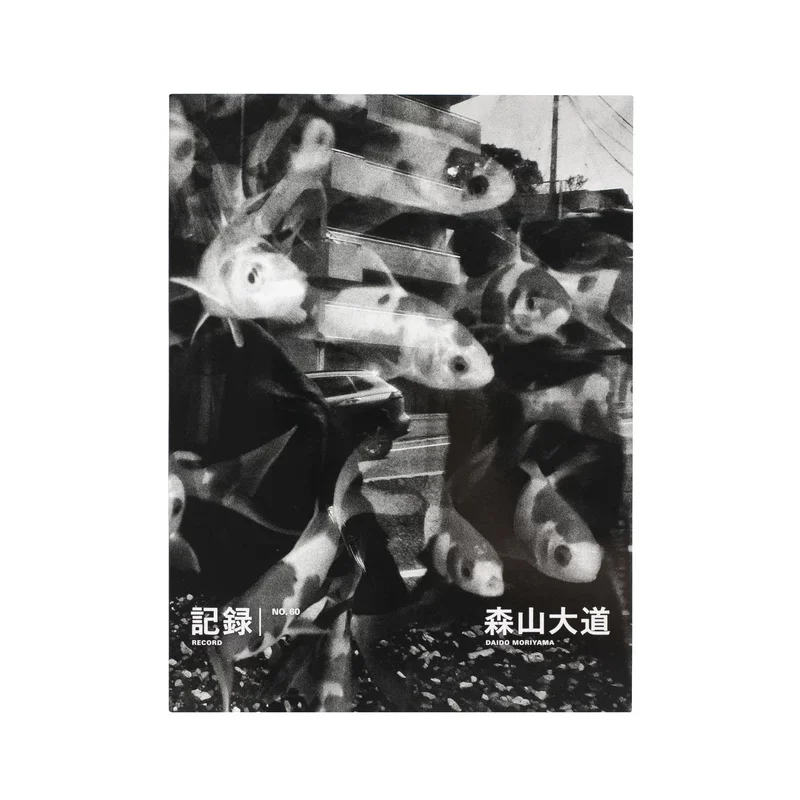
Is what Moriyama said in a small film produced by Tate that accompanied his exhibition at Tate Modern. RECORD is a series of zine published by Akio Nagasawa Publishing after its revival in 2006 with RECORD no. 6. RECORD started in 1972 after Moriyama has had enough “taking nudes of women I wasn’t inrerested in“ while he was working for Shukan Playboy. He quit, but his idle hands didn’t. He wanted to do something that interests him, and so birthed RECORD which was self-published and intended as a monthly publication. The first issue of RECORD was accompanied by writing from Kazuo Nishi of Camera Mainichi and published on 1st July 1972.
While initially planned as a monthly release, that ended up back firing since it didnt suit his working style, on top of that printing cost was getting out of hand. Therefore, RECORD stopped with issue 5 in June 1973. For 25 years it went on hiatus. Until it was picked up again by encouragement from Akio Nagasawa. RECORD has been running strong and standing at over 60 issue currently putting in print Moriyama’s dream of making phots and photobooks.
Conclusion
Daido Moriyama in essence is someone whom I think is very well intuned with his instinct and intuition. His work has popularized snapshot photography and encouraged countless people to pick up photography and understand what its like to let go of control and let your physical reaction to a scene take you. His huge library of photobooks and on-going work with RECORD is something to be cherished and admired. I have grown from someone who had no interest in him and his work to an admirer of his work in the course of doing this study.